
W: https://www.zw-machined.com
T: +44 (0)1223 492080
E: sale@zw-machined.com
China Top 10 Tape Machine for Boxes Manufacturers
Selecting a tape machine for boxes involves more than comparing prices or production speeds. A machine may seal cartons neatly on a showroom floor, yet perform differently with uneven boxes, dusty surfaces, or long shifts. Tape width, carton-size range, adjustment method, and sealing consistency all deserve close attention. Small details matter.
This guide introduces ten manufacturers in China and outlines practical points buyers can use to compare them. It considers product range, customization options, operating features, and the availability of technical support. Where possible, buyers should verify these details through current product specifications, sample tests, and direct discussions with suppliers. Ask how quickly operators can change carton sizes. Request information about spare parts and service response times. These checks can reveal gaps that a polished brochure may not show.
No ranking can replace a test under real working conditions. A compact warehouse packing a few hundred cartons has different needs from a high-volume distribution line. Some specifications may also vary between models, so confirm the exact configuration before making a decision. That is easy to overlook. Use this overview as a starting point, not a guarantee of performance. Careful comparison can help businesses identify a suitable machine and ask better questions before investing.
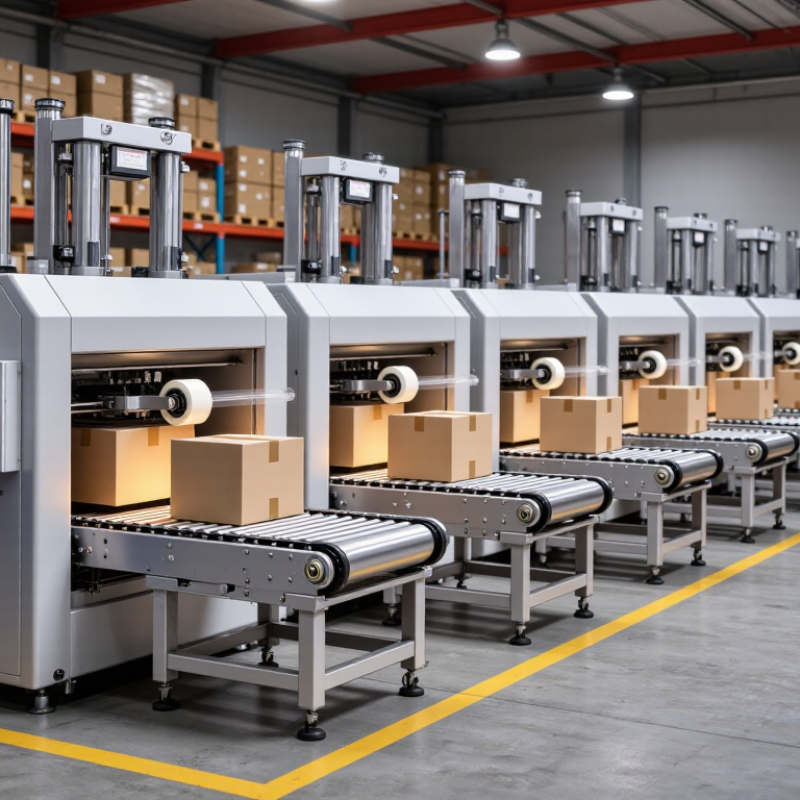
How Box Tape Machines Work: 48, 60, and 72 mm Tape-Width Options
A box tape machine feeds a roll, guides tape over the carton’s center seam, presses it down with rollers, and cuts it at the trailing edge. The 48, 60, and 72 mm options describe tape width, not machine speed or sealing strength. Fit matters. A 48 mm roll suits many compact cartons, while 60 mm gives broader coverage on everyday shipping boxes. The 72 mm option can cover wider flap gaps or uneven seams, but it uses more tape and may overhang narrow cartons.
PMMI’s 2023 State of the Industry report estimated U.S. packaging machinery shipments at about US$10.9 billion in 2022, reflecting the scale of automated packaging operations. Yet width selection remains a small, practical decision: operators should check carton dimensions, flap alignment, tape unwind, and roller pressure. Not width alone. A wider strip cannot compensate for dusty board, weak adhesive, or a poorly closed seam. In production, test each width on actual cartons, then inspect the corners and tape edges after handling. I would not assume 72 mm is automatically safer; it can waste material when the seam is already narrow.
China Top 10 Tape Machine for Boxes Manufacturers - How Box Tape Machines Work: 48, 60, and 72 mm Tape-Width Options
General technical guide to carton-sealing machines and tape widths. The entries below describe operating principles and selection points, not a verified manufacturer ranking. Confirm tape-head compatibility and carton limits with the machine supplier before ordering.
| No. | Machine Feature or Selection Point | 48 mm Tape | 60 mm Tape | 72 mm Tape | How It Works / What to Check |
|---|---|---|---|---|---|
| 1 | Nominal tape width | 48 mm (about 1.89 in) | 60 mm (about 2.36 in) | 72 mm (about 2.83 in) | These are nominal tape-width options. The tape head must be designed or adjusted for the selected width. |
| 2 | Tape-head setup | Use a head rated for 48 mm tape | Use a head rated for 60 mm tape | Use a head rated for 72 mm tape | The unwind, guides, and application rollers position the tape. Do not assume one tape head accepts all three widths. |
| 3 | Carton transport | Width choice does not change the basic conveying method | Powered belts or rollers move the carton through the sealing section. Side-belt machines grip cartons at the sides; confirm the carton-size range for the model. | ||
| 4 | Top-seam application | All three widths can be used when the tape head is compatible | On a top-and-bottom carton sealer, the upper tape head applies tape along the closed center seam as the carton passes through. | ||
| 5 | Bottom-seam application | All three widths can be used when the tape head is compatible | A lower tape head seals the bottom center seam. Some machines seal only the top; check whether the required upper and lower heads are included. | ||
| 6 | Seam coverage | Narrowest option shown | Intermediate option shown | Widest option shown | Wider tape covers more of the carton surface across the seam, but does not by itself guarantee a stronger seal. Carton condition and tape properties also matter. |
| 7 | Tape length per carton | Determined mainly by carton size and tape-head settings, not tape width | The tape head applies a set length over the carton seam and may fold tape onto the leading and trailing panels. Check the machine's end-fold or wipe-down adjustment. | ||
| 8 | Tape construction | Width alone does not identify adhesive or backing | Packaging tapes may use different backings and adhesive systems. Select tape for the carton surface, package conditions, and sealing requirements, then verify it runs correctly in the head. | ||
| 9 | Carton size adjustment | Carton limits depend on the machine model, not tape width alone | Manual machines require operator adjustment; automatic machines may adjust conveyor guides and tape-head positions. Confirm minimum and maximum carton dimensions with the supplier. | ||
| 10 | Pre-purchase verification | Verify 48 mm head compatibility | Verify 60 mm head compatibility | Verify 72 mm head compatibility | Ask for the supported tape-width range, core and roll specifications, carton-size limits, power requirements, and a sealing test using your cartons and tape. |
Related Posts
-
How to Choose a Tape Machine for Boxes?
-
Top Tape Machine for Boxes Which One Is Best?
-

2026 Best Packaging Environmental Solutions for a Greener Future?
-
7 Best Practices to Optimize Your Usage of Corrugated Cardboard for Packing Solutions
-
7 Secrets to Choosing the Best Pallet Shrink Wrap Machine for Your Business
-
How to Choose Container and Packaging Supplies in 2026?