Choosing the right tape machine for boxes can change an entire packing operation. It affects speed, seal quality, labor effort, and daily consistency. A machine that looks impressive may still perform poorly with your cartons, tape, or workspace.
Packaging engineer Mark D. White offers a practical reminder: “The best case sealer is the one that fits the box, tape, and operator—not the one with the highest speed.” That principle deserves attention. A busy warehouse may need automatic feeding and adjustable guides. A smaller business may value simple controls, low maintenance, and fast changeovers. Both choices can be correct.
This guide compares leading tape machines for boxes through real working details. We consider carton size, tape width, sealing pressure, conveyor height, noise, and operator safety. We also examine jam recovery and replacement-part availability. These details matter beside a busy packing bench.
Not every result is perfect.
A machine may seal 25 cartons per minute, yet struggle with uneven flaps. Another may run slower but produce cleaner seals. That difference can reduce returns and damaged shipments. It can also make training easier for new staff.
The right choice depends on evidence, not advertising language. Product specifications help, but hands-on testing reveals more. Before buying, measure your cartons and observe your busiest packing period. Then compare machines against those conditions. A practical match usually beats an oversized investment.
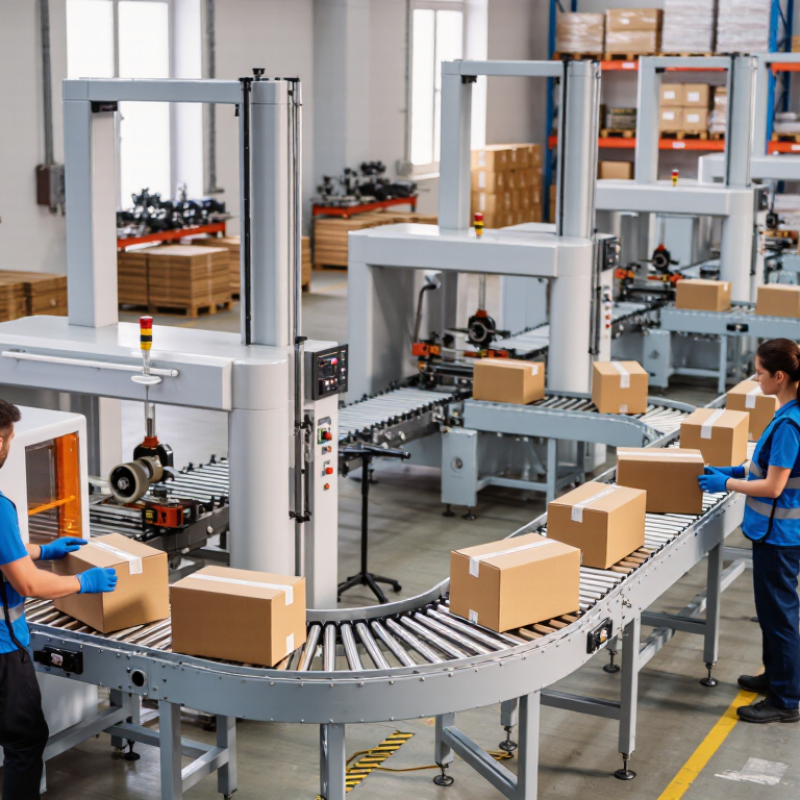
Top Tape Machine for Boxes: Which One Is Best?
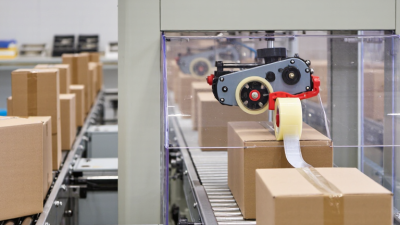
A tape machine for boxes seals cartons with pressure-sensitive adhesive tape. It guides the box through rollers, applies tape, presses it firmly, and cuts it cleanly. Most units use upper and lower tape heads. The lower head seals the bottom, while the upper head closes the top. Sensors or adjustable guides help position different carton sizes. As the box moves forward, drive belts keep it steady. Inside the tape head, a spring-loaded roller controls contact pressure. This small detail matters. Too little pressure causes lifting edges, while excessive pressure may crush lighter cartons.
Semi-automatic machines require an operator to fold the flaps and feed each carton. They suit changing box sizes and moderate packing volumes. Fully automatic models measure, fold, and seal cartons with less manual handling. They work well in steady production lines. However, speed alone should not decide the purchase. A machine that struggles with dusty cardboard can create repeated stoppages. I have seen this happen during busy shifts. The problem was not the motor, but poor tape tension and worn rollers.
A reliable choice begins with carton measurements, tape width, and daily output. Check whether guides adjust without tools. Examine access to the tape head and cutting blade. Run several filled cartons, not empty samples. Listen for slipping belts. Watch for crooked seals. The best machine depends on consistent operation, not impressive specifications. Even careful testing can miss seasonal changes in carton quality. That deserves another review.
A tape machine for boxes applies pressure-sensitive adhesive tape to seal cartons. Manual taping relies on an operator, semi-automatic machines seal prepared boxes with limited assistance, and automatic machines form, fold, and seal cartons with minimal manual handling.
Typical throughput comparison: Manual taping generally handles about 2–4 boxes per minute, semi-automatic equipment about 10–20 boxes per minute, and automatic equipment about 20–30 boxes per minute. Actual performance varies with carton size, operator workflow, tape width, and machine settings.
When choosing the top tape machine for boxes, begin with the available machine types. The right design depends on box size, sealing volume, labor, and floor space. A machine that works well in a quiet warehouse may struggle beside a fast packing line.
Semi-automatic case sealers suit mixed box sizes and moderate output. An operator folds the top flaps, then the machine applies tape evenly. Automatic random case sealers measure each carton and adjust height and width without manual changes. They save labor, but their sensors need regular cleaning. Uniform case sealers fit stable production runs with similar cartons. Side-belt models handle lightweight or uneven boxes more securely. Top-and-bottom sealers improve closure consistency, especially for heavier shipping cartons. Hot-melt systems are different, but tape machines usually offer simpler maintenance and cleaner changeovers.
Demand explains this equipment shift. Smithers’ e-commerce packaging study forecasts the global market will exceed 100 billion dollars by 2028, driven by parcel growth and fulfillment speed. PMMI industry research also identifies labor availability as a continuing automation pressure in packaging operations. Output matters. However, speed alone can mislead. A machine rated for 30 cases per minute may run slower with recycled corrugated cartons, dusty surfaces, or frequent size changes.
I would test real boxes before purchasing. That step is often skipped. Measure tape use, jam frequency, noise, and operator reach. Safety guarding, accessible controls, and a reliable tape-cutting system should matter as much as advertised speed.
When comparing box tape machines, start with carton size and daily workload. A machine that handles 20 boxes per minute may struggle with irregular cartons. Measure your smallest and largest boxes before reviewing specifications. Check the supported box height, width, and tape size. These details prevent expensive fitting problems.
Tape control deserves close attention. Look for adjustable tension, stable cutting, and smooth tape application. Excessive tension can crush lightweight cartons. Weak tension may leave loose edges. In my experience, a firm top seal matters more than impressive operating speed. Ask whether the machine adjusts automatically or requires manual changes between box sizes. Manual adjustment is not always a disadvantage. It can offer better control, but it slows busy packing lines.
Safety and maintenance also shape the real cost. Choose guarded moving parts, accessible emergency controls, and clear operating instructions. Check how quickly workers can replace a tape roll or clean adhesive residue. A useful machine should not require specialist tools for ordinary maintenance. Noise level matters in enclosed packing areas. I once underestimated this issue, and the machine became tiring to use after several hours. Review service records, warranty terms, and independent user feedback rather than trusting speed claims alone. Test sample cartons with different weights and sealing surfaces. Real boxes often behave differently from showroom samples.
Choosing the best tape machine depends on your packaging rhythm, box sizes, and available labor. A compact manual dispenser suits small shops and irregular orders. It gives direct control over tape length and box pressure. However, it can slow packing during seasonal demand.
For steady daily shipments, a semi-automatic machine often offers a better balance. The operator folds the carton flaps, then the machine applies tape evenly along the top and bottom. This reduces wrist strain and keeps sealing more consistent. Measure your narrowest and widest cartons before buying. A machine that fits only standard boxes may become expensive later. I learned this after selecting equipment for one box size.
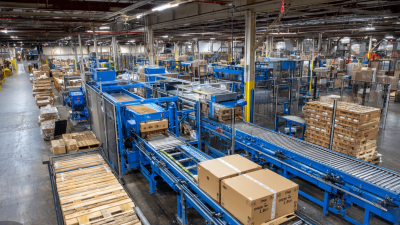
High-volume warehouses may need an automatic case sealer. It can connect with conveyors and maintain a faster packing flow. Check its adjustment range, tape roll capacity, sensor response, and access for cleaning. Stronger machines are not always better. Excessive pressure can crush lightweight cartons, while weak pressure may leave dusty flaps partly open.
Test real cartons, not sample boxes alone. Fill them with normal products and inspect the seal after stacking, moving, and storage. Tape performance changes with humidity, recycled cardboard, and surface dust. I would also record jams during a full shift. That test can reveal an uncomfortable truth: the fastest machine on paper may not be the most reliable choice in daily work.
Top Tape Machine for Boxes: Which One Is Best?
Choosing a box tape machine starts with carton size, tape width, and daily volume. A semi-automatic model suits changing box dimensions and moderate output. A fully automatic machine fits stable production lines with fewer size changes. According to the Pitney Bowes Parcel Shipping Index 2023, the United States handled 21.5 billion parcels that year. That volume makes consistent sealing more than a convenience. It protects products during repeated handling.
Measure your smallest and largest cartons before buying. Check the machine’s sealing height, conveyor width, and tape tension range. Water-activated tape needs a different system than pressure-sensitive tape. During operation, keep the carton centered and let the flaps close naturally. Do not force an uneven box through the rollers. That shortcut often creates open corners. Small detail, large consequence.
Maintenance should be practical and recorded. Inspect the cutting blade, rollers, belts, and tape path every shift. Remove adhesive residue with an approved cleaner, not a sharp metal tool. The PMMI Packaging Automation reports identify labor availability as a continuing reason for automation investment. Yet automation does not remove human judgment. A loose roller or dull blade can waste cartons quickly. OSHA machine-guarding guidance also requires moving parts to be protected and accessible only under safe conditions. I would review the first sealed cartons hourly. That habit may feel excessive, but missed defects are expensive.
| Machine Type | Recommended Use | Typical Box Range | Typical Throughput | Tape Width | Main Advantages | Key Limitations | Best Choice When |
|---|---|---|---|---|---|---|---|
| Manual Case Sealer | Low-volume packing and changing box sizes | Mixed sizes; commonly from small parcels to large shipping cartons | Up to approximately 10–15 boxes per minute, depending on the operator | Usually 48–75 mm | Low purchase cost, simple setup, flexible adjustment, limited power requirements | Requires an operator for each carton; output varies with worker speed | Box dimensions and production volume change frequently |
| Semi-Automatic Case Sealer | Small and medium production lines | A defined range of regular slotted cartons | Approximately 15–25 boxes per minute | Commonly 48 or 75 mm | Improves consistency and speed while retaining manual box loading | Usually needs an operator to fold or position the top flaps | A stable carton size justifies automation but full automation is unnecessary |
| Random-Size Automatic Case Sealer | Distribution centers and mixed-carton fulfillment | Multiple carton lengths, widths, and heights within the machine limits | Approximately 12–20 boxes per minute, depending on carton variation | Typically 48–75 mm | Automatically adjusts to carton dimensions and reduces manual measurement | Higher cost, more sensors and adjustments, requires suitable carton quality | The line handles many box sizes and labor reduction is important |
| Uniform-Size Automatic Case Sealer | High-volume lines using one or a few standard carton sizes | Fixed carton dimensions or quick-change size groups | Approximately 20–35 boxes per minute | Commonly 48 or 75 mm | High repeatability, steady carton flow, and reduced operator involvement | Less flexible for random carton sizes; setup changes may take time | The same carton format runs continuously during each production shift |
| Side-Belt Case Sealer | Tall, narrow, or lightweight cartons | Cartons that can be gripped securely from both sides | Often approximately 15–30 boxes per minute | Usually 48–75 mm | Provides stable side support and works well where top belts are unsuitable | Needs adequate carton side strength and correct belt alignment | Carton shape or height makes top-belt conveying unreliable |
| Top-and-Bottom Sealer | Cartons requiring simultaneous closure on both surfaces | Regular slotted cartons with accessible top and bottom panels | Approximately 15–30 boxes per minute | Often 48–75 mm; confirm applicator compatibility | Seals two carton surfaces in one pass and can improve line efficiency | Requires stable cartons and careful alignment of both tape heads | Both the top and bottom of the carton must be taped automatically |
| Evaluation Area | What to Check | Practical Recommendation | Common Problem if Ignored |
|---|---|---|---|
| Carton Dimensions | Minimum and maximum length, width, height, and carton weight | Measure actual cartons and compare them with the machine's adjustment range before purchase | Unstable conveying, poor flap closure, or tape misplacement |
| Tape Specification | Tape width, core diameter, roll diameter, backing material, and adhesive type | Use tape that matches the applicator and the carton surface; verify the specification with the tape supplier | Wrinkling, poor adhesion, excessive noise, or frequent tape breaks |
| Line Speed | Required cartons per minute and upstream or downstream conveyor speed | Select a machine with capacity above the normal production rate, not merely the peak rate | Carton accumulation, jams, and inconsistent sealing |
| Operating Setup | Guide rails, belt pressure, tape-head position, and carton orientation | Run several test cartons and adjust guides until cartons travel straight without crushing | Diagonal tape lines, open flaps, damaged corners, or carton stoppage |
| Daily Maintenance | Adhesive buildup, loose fasteners, damaged blades, belt condition, and sensor cleanliness | Stop and isolate the machine before cleaning; remove adhesive residue with an approved method | Tape cutting failure, tracking problems, sensor errors, and unplanned downtime |
| Safety | Guards, emergency stops, pinch points, electrical isolation, and operator training | Keep guards installed and apply lockout procedures before clearing jams or servicing moving parts | Hand injuries, unexpected movement, or equipment damage |
| Spare Parts and Support | Availability of blades, rollers, belts, sensors, tape heads, and technical documentation | Confirm replacement-part availability and service response before committing to the machine | Long repair delays and higher total operating cost |
Note: Throughput and carton ranges are typical operating values. Actual performance depends on carton quality, box dimensions, tape properties, machine configuration, operator skill, and line layout.