What Is the Best Type of Packaging Machine in 2026? The honest answer depends on the product, package, production speed, and available floor space. A small bakery packing brittle cookies has different needs from a beverage plant filling thousands of bottles per hour. It depends. The right machine should fit the work, not just look impressive in a supplier’s brochure.
This guide compares common options, including filling, form-fill-seal, wrapping, labeling, and case-packing machines. It considers practical factors such as changeover time, sealing consistency, operator training, cleaning, and access to replacement parts. A machine that runs quickly on one product may struggle with another. Small details matter. Bag thickness, product shape, and even the space around a conveyor can affect daily performance.
The purchase price is only part of the calculation. Energy use, maintenance, downtime, and future production plans can change the real cost over time. Still, estimates deserve scrutiny: line speeds quoted for ideal conditions may not match a busy shift with frequent product changes. This overview offers a grounded way to compare packaging machine types and identify questions worth asking suppliers. There is no universal winner, and the best choice may involve a compromise. That is worth admitting before signing a purchase order.
“Best” is not a machine category. It is a fit between the product, pack format, required output, and operating cost. A free-flowing snack, sticky sauce, and fragile component place very different demands on a line. Check how the product behaves during feeding: Does it bridge in a hopper, drip at the nozzle, or break when dropped? Small details count. Run representative samples before choosing equipment, not just ideal test material.
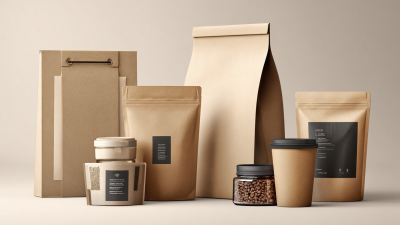
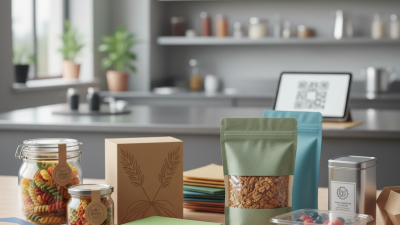
The pack format narrows the options. A pouch, carton, tray, and bottle each need different handling, sealing, and inspection steps. Consider how quickly operators can change sizes and materials. A machine that fills one format quickly may lose time during frequent changeovers. Not always. Measure usable output across a normal shift, including cleaning, minor stops, and rejected packs. Published speeds rarely tell the whole story.
Compare total cost over the machine’s expected service life, not only its purchase price. Include labor, energy, spare parts, maintenance access, packaging waste, and staff training. Ask suppliers for assumptions behind their output and cost estimates, then verify them with a production trial. A tidy spreadsheet can still miss awkward realities, such as a hard-to-reach seal area or a film roll that needs frequent replacement. The right choice may be less impressive on paper, but more reliable on a busy line.
What Is the Best Type of Packaging Machine in 2026?
Match Machine Types to Tasks: Fillers, Form-Fill-Seal, Cartoners, and Case Packers
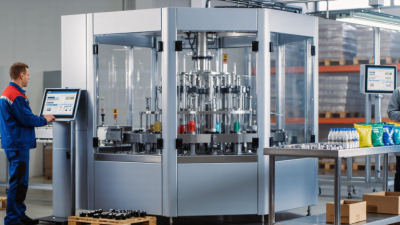
The best machine depends on what needs to be packed. Fillers dispense liquids, powders, pastes, or pieces into containers. A pump filler may suit a thin sauce, while an auger filler can handle flour or protein powder. Check product flow, target fill weight, and container shape before choosing. A fast machine is not useful if it spills during every changeover. That matters.
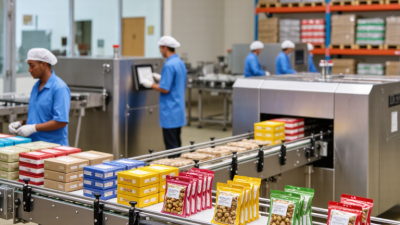
Form-fill-seal machines make packages from film, fill them, and seal them in one process. They work well for products sold in pouches or bags. Cartoners place items, such as bottles or sealed pouches, into cartons. Case packers then group cartons or individual products into shipping cases. These machines handle different jobs, so line speed and spacing must match. A mismatch can cause jams, even when each machine runs well alone.
Tips: Test with your actual product and packaging materials. Watch for drips, weak seals, or cartons that catch at the infeed. Compare changeover time, cleaning access, and operator training needs—not just the quoted output rate. Ask for a production trial. It may reveal an awkward step you overlooked.
Match the machine to the packaging task: fillers, form-fill-seal machines, cartoners, and case packers perform different core operations.
A value of 1 indicates an operation typically handled as that machine type’s core function; 0 means it is not the primary function. Integrated packaging lines can combine multiple machine types.
The best packaging machine in 2026 depends on throughput, product variability, and room to grow—not simply the fastest line. MarketsandMarkets estimates the global packaging machinery market will reach $55.7 billion by 2028, up from $44.2 billion in 2023. That forecast signals investment, but it does not mean every operation needs maximum capacity.
Match equipment output to realistic demand. A small producer may favor a flexible, lower-speed line that handles short runs without leaving costly capacity idle. A high-volume facility may need automated filling, sealing, and case packing to keep pace across shifts. Check actual units per minute, changeover time, labor needs, and downtime—not just the machine’s rated speed. A line rated for 120 packs per minute can deliver less when formats change often. Details matter.
PMMI’s industry research also tracks automation and workforce constraints as key packaging-sector concerns. That makes service access and operator training practical capacity factors, not afterthoughts. Forecast demand in scenarios, then leave space for measured expansion. Growth forecasts can miss. A little caution helps. Even so, choosing too little capacity can create bottlenecks, overtime, and missed orders; choosing too much can tie up capital before demand arrives.
Assess Automation, Changeovers, and Line Integration Before Choosing
The best packaging machine is the one that fits your product mix and the pace of your whole line. A fast standalone unit can still create a bottleneck if conveyors, inspection equipment, or case packing cannot keep up. Rockwell Automation’s 2024 State of Smart Manufacturing report found that 95% of surveyed manufacturers had invested in, or planned to invest in, smart manufacturing. That signals growing interest in connected equipment, but automation only helps when machines exchange usable data and operators can respond to it.
Assess changeovers before comparing advertised speeds. If your team switches pouch sizes or carton formats each shift, look for accessible adjustment points, clear recipes, and repeatable settings. Ask operators to demonstrate a changeover with the actual tools and packaging materials. Time the full process, including cleaning, checks, and the first acceptable pack. On paper, it may look simple. Real shifts can be messier.
Tips: Map the product formats and changeover frequency first. Then check machine interfaces, line speed, floor space, and service access with your existing equipment. Request a trial using your product, not just a sample container. A little manual adjustment may be fine; frequent guesswork is not.
What Is the Best Type of Packaging Machine in 2026?
Check EU Compliance: Regulation 2025/40 Applies from 12 August 2026
The best packaging machine is the one that handles your product safely while supporting packaging that meets EU requirements. Regulation (EU) 2025/40 generally applies from 12 August 2026, with some obligations phased in later. It introduces requirements covering packaging minimisation, recyclability, and labelling. The machine alone does not make a pack compliant. Material choice, pack design, and market-specific checks matter too.
The scale is clear. Eurostat reports that the EU generated 83.4 million tonnes of packaging waste in 2022, equal to 186.5 kilograms per person. For buyers, a flexible form-fill-seal or filling line may help when formats or materials change, but flexibility is not a compliance guarantee. Check sealing performance, changeover time, material compatibility, and whether test records can be retained. A small trial with the intended packaging can reveal problems that a catalogue will not. That step is easy to overlook.
Tips: Ask suppliers to document material settings and trial results. Confirm regulatory details with qualified EU compliance specialists. Don’t rely on a machine’s sales description alone.
| Machine Type | Typical Packaging Format | Best-Fit Products | Indicative Production Range | Key Advantages | EU Packaging Considerations for 2026 | Best Choice When… |
|---|---|---|---|---|---|---|
| Vertical Form-Fill-Seal (VFFS) | Pillow bags, gusseted bags and block-bottom bags formed from a roll of flexible film | Snacks, grains, powders, frozen foods and other free-flowing products | About 20–200 packs per minute; actual output depends on product, bag size and machine configuration | Compact footprint; forms, fills and seals in one line; can use a range of flexible films | Check that the finished pack design supports applicable EU requirements. Film structure, material use, recyclability and sealing performance matter; a machine alone does not make packaging compliant. | You need a space-efficient line for high-volume products and a suitable flexible-pack format. |
| Horizontal Form-Fill-Seal (HFFS) / Flow Wrapper | Sealed flexible packs made around individual products, often with fin or lap seals | Bakery goods, bars, confectionery, produce and multipacks | About 30–300 packs per minute; product handling and pack dimensions affect speed | Suitable for individually wrapped items; supports varied pack lengths and product feeding arrangements | Assess the packaging material and pack design against relevant EU requirements. Avoid assuming that a recyclable-looking film structure is automatically recyclable in practice. | Products are solid, individually handled and need a flexible wrapper at moderate to high throughput. |
| Cartoning Machine | Folding cartons made from paperboard, typically filled and closed automatically | Food, cosmetics, pharmaceuticals and consumer goods in primary packs or loose units | About 30–400 cartons per minute, depending on carton style and line configuration | Provides a printable outer pack; can group products and support tamper-evident or product-information features | Review packaging minimisation and material choices. Paperboard does not by itself establish compliance: coatings, laminates, adhesives and attached components can affect recyclability. | You need an outer carton for product grouping, protection, instructions or shelf presentation. |
| Case Packer / Tray Packer | Corrugated cases, trays or wraparound cases for transport and retail display | Bottles, cans, cartons, pouches and other packaged goods | About 5–40 cases per minute; depends on case size, grouping pattern and product stability | Automates secondary packaging; helps create consistent shipment units and can reduce manual handling | Evaluate the full transport-pack configuration, including void fill, tape and combined materials. Keep pack dimensions and material quantities no greater than needed for protection and handling. | You need reliable end-of-line grouping and shipment-ready cases or trays. |
| Thermoforming Packaging Machine | Formed trays or containers sealed with a lidding film, often using vacuum or modified-atmosphere packaging | Meat, cheese, ready meals, medical products and other products needing a shaped pack | About 3–20 cycles per minute; cavities per cycle and pack depth affect unit output | Creates product-specific pack shapes; can provide sealing and, where configured, vacuum or gas-flush functions | Check the compatibility of tray and lid materials and consider whether the complete pack can be sorted and recycled in the intended markets. Product-preservation needs should be balanced with packaging minimisation. | Product protection, presentation or shelf-life requirements call for a rigid or semi-rigid formed pack. |
| Filling and Capping Line | Rigid bottles, jars and containers with closures | Beverages, sauces, oils, household products and personal-care products | About 20–600 containers per minute; container size, filling method and closure determine output | Handles liquid and semi-liquid products; can integrate rinsing, filling, capping, inspection and labelling | Assess container weight, material, closure and label as a complete packaging system. If designing for reuse, confirm that the container and associated system are suitable for repeated use and the applicable reuse requirements. | Your product needs accurate liquid filling and a rigid container or a planned reusable-pack system. |
| Pre-Made Pouch Filling Machine | Stand-up, flat or spouted pouches supplied to the machine and then filled and sealed | Pet food, sauces, snacks, powders and personal-care products | About 10–120 pouches per minute; pouch style, filling method and product properties affect speed | Flexible pack styles; can accommodate features such as zippers or spouts when the pouch design allows | Review the pouch’s complete material structure, closures and components. Multi-material layers can make recycling more challenging; verify the final design against applicable EU rules and market infrastructure. | You need pouch formats or closures that are not practical to produce on a form-fill-seal line. |
EU timing and selection note: Regulation (EU) 2025/40 on packaging and packaging waste generally applies from 12 August 2026, subject to specific provisions and transitional timelines. Packaging requirements depend on the packaging placed on the market, not simply on the machine used to make or fill it. Select equipment only after confirming the product, required throughput, pack design, materials, changeover needs and applicable EU obligations. Production figures above are indicative planning ranges, not guaranteed machine specifications.