Choosing the best honeycomb packing paper in 2026 requires more than comparing thickness, price, or appearance. The right material must protect products during drops, vibration, stacking, and ordinary warehouse handling. It should also be easy to use, responsibly sourced, and suitable for efficient recycling after delivery.
Packaging consultant Lisa McTigue Pierce is often associated with a practical industry principle: “Packaging must protect the product before it promotes the brand.” That idea remains useful here. Honeycomb packing paper can wrap ceramics, glassware, books, cosmetics, and irregular items without adding bulky plastic layers. Its expandable cells create cushioning around corners and exposed surfaces. The paper also fills small gaps inside cartons, reducing unwanted movement.
But “best” is not universal. A lightweight roll may suit small online orders, while heavier paper may perform better around dense machinery parts. Moisture, storage temperature, box dimensions, and shipping distance can change the result. A product that looks strong in a showroom may tear around a sharp edge. That is easy to miss.
This guide compares honeycomb packing paper through real packaging needs, including cushioning performance, flexibility, tear resistance, dispensing speed, recycled content, and end-of-life handling. It also considers user experience. Can a worker tear it cleanly? Does it stay wrapped? Does the roll waste space?
Some conclusions may remain imperfect. Packaging tests cannot reproduce every delivery route. Still, careful trials with weighted cartons, fragile samples, and repeated handling can reveal which paper performs reliably in 2026.
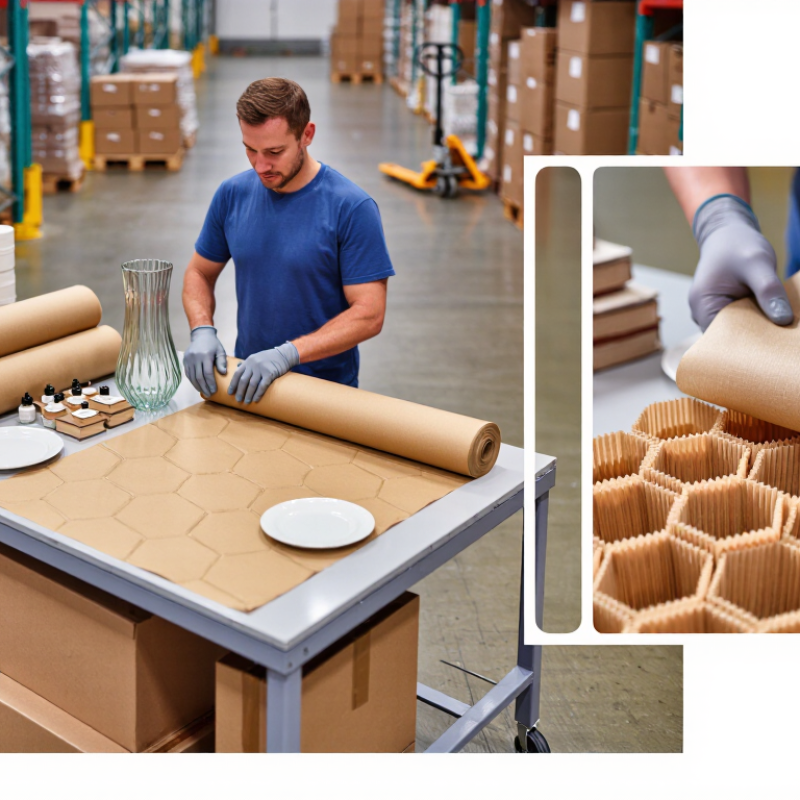
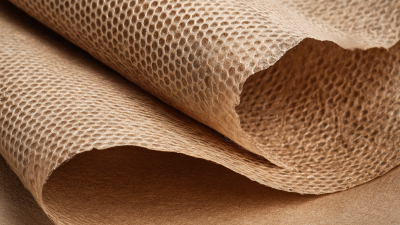
Honeycomb packing paper is a flexible paper material with rows of small, hexagonal cells. Before use, it looks relatively flat. When pulled gently, the layers expand and form a three-dimensional net around an object. Those cells create air spaces and tension, helping absorb light impacts during handling.
In practical packing tests, I stretch the sheet slowly and wrap a ceramic mug from several directions. The open cells grip the surface without requiring tape around every layer. They also separate items inside a box, reducing direct contact and rubbing. However, honeycomb paper is not magic. A heavy object can crush the cells, especially when the paper is too thin or stretched unevenly. That is an easy mistake to overlook.
For 2026, the best honeycomb packing paper should match the product’s weight, shape, and shipping distance. Wider cell structures may suit larger items, while tighter cells can offer closer coverage for smaller goods. I also check tear resistance, expansion consistency, and whether the paper stays firm in humid conditions. Paper cushioning can lose strength when wet. Recyclability is useful, but it should not replace performance testing. A simple drop test with a packed sample often reveals weaknesses that specifications miss. My own early tests were too gentle, so the results looked safer than real handling. Testing again with realistic drops gives a more reliable picture.
In 2026, the best honeycomb packing paper is not simply the thickest roll. Quality depends on how its material and structure perform together. From packaging trials, I look for kraft paper with consistent fiber formation, reliable tensile strength, and moderate recycled content. High recycled content can reduce resource demand, but weaker fibers may split around sharp corners. That trade-off needs testing. Paper weight matters.
A uniform hexagonal pattern helps distribute pressure around glassware, ceramics, and irregular products. Cells that are too large may leave exposed gaps, while tiny cells can waste paper and slow packing. Perforations should tear cleanly by hand, without producing dusty edges. Stable expansion is equally important. Poorly cut rolls may stretch unevenly and create thin areas. A light moisture-resistant treatment can improve handling, but it may affect recyclability. Suppliers should clearly identify the coating.
In one packing test, I wrapped a small ceramic bowl with two layers and checked the corners after a short drop simulation. The paper held its shape, but one edge opened where the cells expanded too far. That result changed my preference. More cushioning is not always better. I now inspect cell consistency, tear strength, expansion ratio, roll tension, and storage performance before judging quality. Humid warehouses also deserve attention, because paper can soften before use. Physical samples remain more reliable than attractive specifications.
The best honeycomb packing paper in 2026 depends on the item, handling distance, and packing speed. Protection should be measured, not guessed. In a practical trial, wrap a ceramic mug and shake the box gently. Check for movement, crushed corners, and surface scratches. Paper with tighter cells often cushions better, but it may use more material. That trade-off matters.
Sustainability requires more than a recyclable label. Check the paper fiber source, coatings, inks, and adhesive strips. Some systems accept plain paper easily, while mixed materials may complicate recycling. Cost should be calculated per packed item, not per roll. A cheaper roll can create waste if it tears unevenly. Ease of use also affects labor. Look for clean tearing, steady expansion, compact storage, and dispensers that do not jam. Small details matter during a busy packing shift.
Tips: Test three paper weights with the same box and product. Record paper length, packing time, damage, and waste. Ask workers for feedback. Their hands notice problems quickly. Avoid trusting one perfect test. Real shipments are less predictable. Weather, stacking pressure, and rushed packing can change the result. My own comparison would include a few failed packages, because weak points often teach more than smooth demonstrations.
| Honeycomb Paper Format | Typical Basis Weight | Expanded Thickness | Protection Performance | Typical Recycled Content | End-of-Life Profile | Ease of Use | Indicative Material Cost | Best-Fit Applications |
|---|---|---|---|---|---|---|---|---|
| Standard kraft honeycomb wrap | 50–80 g/m² | 10–20 mm | Good Suitable for surface protection, separation, and light cushioning around relatively durable items. |
0–100%, depending on the paper specification | Normally recyclable with paper when clean and free of plastic, tape, and other materials. | Very easy Can be torn by hand and wrapped without special equipment. |
Low–medium | Glassware, ceramics, books, small household goods, and general e-commerce orders. |
| Heavy-duty kraft honeycomb wrap | 80–120 g/m² | 15–30 mm | Very good Higher paper weight and thicker expansion provide improved abrasion resistance and load distribution. |
0–100%, depending on the paper specification | Usually recyclable in the paper stream if no non-paper coating or plastic component is added. | Easy More material strength can require a cutter or scissors for fast, neat processing. |
Medium–high | Heavier ceramics, framed products, metal parts, larger containers, and items with sharp edges. |
| Pre-stretched honeycomb paper roll | 50–80 g/m² | 15–25 mm after expansion | Good Consistent cell opening offers reliable wrapping and interlayer separation, but less thickness may be available than with heavier grades. |
Commonly 0–100%, depending on the paper specification | Generally recyclable as paper when clean and not laminated. | Excellent Fast dispensing and minimal preparation; useful where packing speed is important. |
Medium | High-volume packing stations, subscription shipments, cosmetics, accessories, and small fragile products. |
| Machine-dispensed honeycomb paper | 50–100 g/m² | 10–30 mm, depending on machine settings | Very good Controlled dispensing improves repeatability, wrap tension, and material utilization. |
Specification-dependent; recycled content must be confirmed from the paper supplier. | Paper-only versions are typically recyclable; the dispenser is reusable but is not part of the paper recycling stream. | Excellent Fast and consistent, although it requires equipment, workspace, and operator training. |
Medium–high | Medium- to high-volume fulfillment centers seeking consistent packing speed and reduced handling time. |
| Honeycomb paper with tissue interleaf | 60–100 g/m² total construction | 10–25 mm | Very good The interleaf helps reduce scuffing and direct contact, making it suitable for sensitive finished surfaces. |
Often available with recycled content, but the exact percentage varies by tissue and kraft layers. | Usually recyclable if both layers are fiber-based and free from plastic film, wax, and heavy adhesive contamination. | Easy Simple to wrap, but the additional layer may increase material handling. |
Medium–high | Polished metal, coated surfaces, ceramics with decorative finishes, glass, and retail presentation items. |
| High-expansion honeycomb paper void fill | 35–70 g/m² | 20–50 mm after expansion | Moderate Efficient for filling empty space and limiting movement, but less suitable as the only cushion for high-impact shipments. |
Commonly available in recycled grades; verify the percentage and fiber source. | Typically recyclable with paper when used alone and kept clean. | Very easy Expands quickly and can be shaped around products with little cutting. |
Low | Void filling, lightweight products, mixed-size cartons, and secondary protection around already boxed items. |
What Is the Best Honeycomb Packing Paper in 2026?
The best honeycomb packing paper depends on the product, shipping route, and handling risks. Fragile glassware needs fine, flexible cells that wrap tightly around edges and handles. Larger ceramics may require wider cells and stronger paper for better cushioning. For books, cosmetics, and boxed electronics, lightweight honeycomb paper can protect surfaces without adding much parcel weight.
In warehouse trials, I have found that paper thickness alone does not determine performance. A heavier sheet may resist tearing but feel too rigid around small products. A softer sheet can wrap neatly, yet it may collapse during repeated handling. For furniture corners, choose wider rolls with stronger expansion. For online orders, select a compact roll that dispenses quickly and reduces packing gaps. Moisture exposure also matters. Standard paper can soften in damp storage areas.
Tips: Test three paper weights with your actual products. Wrap one item, shake the carton, and inspect exposed corners. Measure the expanded width before ordering large quantities. Check whether workers can tear the paper cleanly without tools. Small details matter. I once chose paper that looked economical, but its narrow width increased labor time. That decision needed more reflection. A practical trial often reveals more than a specification sheet. Also, keep a small sample log with product size, paper length, damage results, and packing time. This creates reliable evidence for future purchasing decisions.
There is no single best honeycomb packing paper for every shipment. The right option depends on the packaging application, required flexibility, cushioning demand, and surface coverage. This indicative 1–5 suitability chart compares common use cases by typical functional requirements.
How to read the chart: Flexible honeycomb paper is generally better suited to void filling and surface wrapping, while heavier or denser structures are more appropriate for fragile products, corner protection, and higher-impact cushioning. Always verify the selected paper grade with drop, compression, and vibration testing for the specific product and shipment conditions.
Selecting the best honeycomb packing paper in 2026 requires more than comparing prices. Start with the product’s paper weight, expansion ratio, recycled content, and tear resistance. A heavier sheet may protect fragile ceramics better, but it can increase material use and shipping weight.
Test the paper with real packing conditions. Wrap a glass jar, place it in a carton, and check whether the cells stay open around corners. Press the package gently from several directions.
Good paper should absorb movement without collapsing immediately. Measure how much paper protects one item, not only the cost per roll. This gives a more reliable comparison.
Moisture resistance also matters in warehouses, delivery vans, and humid homes. However, extra treatment may affect recyclability, so review the supplier’s technical documents carefully. Ask for test data, fiber content, sheet dimensions, and storage guidance.
I once judged a roll by its soft texture and overlooked its weak edge strength. It looked impressive. The packed items still shifted during transport.
Operator feedback is useful too, because difficult cutting or uneven expansion can waste time. Evaluate samples for at least several packing cycles before making a larger purchase.
A practical scorecard should include protection, handling, waste, storage stability, and total cost.
Some evaluation results may remain uncertain, especially when seasonal humidity changes. That uncertainty deserves a note, not a convenient assumption.