Choosing the best eco friendly mailers from China requires more than comparing prices and green labels. A mailer may look responsible, yet contain mixed plastics, weak recycled content, or unclear disposal instructions. Real evaluation starts with materials, factory practices, product testing, and supply-chain evidence.
Sustainability strategist Dr. Leyla Acaroglu offers an important warning: “There is no such thing as a truly sustainable product.” That idea matters when reviewing Chinese packaging suppliers. Recycled poly mailers can reduce demand for virgin plastic, while kraft paper mailers may suit brands with reliable local recycling systems. Compostable mailers sound attractive, but they need suitable facilities and clear certification. Otherwise, the benefit may remain mostly theoretical.
Details matter.
A serious supplier should explain post-consumer recycled content, thickness, adhesive performance, ink composition, and packaging waste. Ask for current certifications and test reports, not only attractive factory photographs. Sample orders can reveal practical weaknesses. Seams may split during rainy delivery routes. Adhesive strips may lose strength in cold warehouses. Printed surfaces may scuff against cardboard cartons.
China offers broad manufacturing capacity, competitive tooling, and many material choices. However, quality varies between factories, even when product photos appear identical. This guide examines eco friendly mailers through durability, end-of-life options, documentation, and realistic shipping conditions. It cannot promise a perfect solution. Few products deserve that claim. The better goal is a mailer that performs reliably, uses fewer problematic materials, and fits the disposal infrastructure where customers actually live.
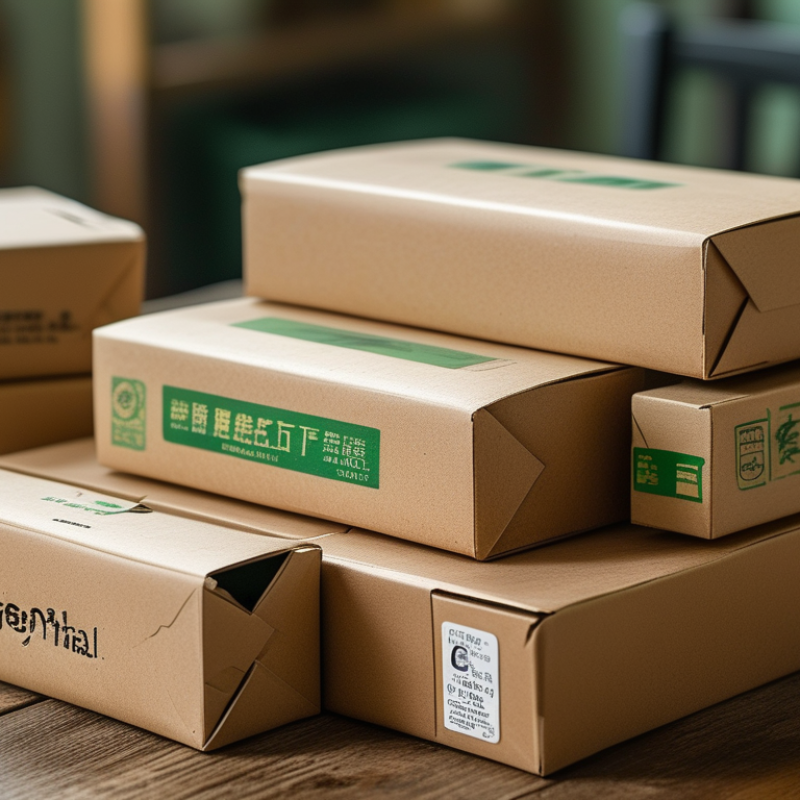
Choosing eco-friendly mailers from China starts with the product journey, not a green label. Paper mailers suit books, clothing, and dry goods. They feel natural and print well. However, paper loses strength when exposed to rain. Ask for recycled content, fiber source, bursting strength, and reliable size tolerances. Samples should survive stacking, sealing, and a short drop test. In practice, a beautiful sample can disappoint in a busy warehouse.
Recycled PE mailers use recovered plastic and remain flexible, water-resistant, and light. They can reduce virgin plastic demand, but recycling claims need evidence. Request the recycled-content percentage and test documents. Check whether local collection systems accept the material. A recyclable package is not automatically recycled. That distinction matters. Compostable films can suit selected applications, especially where certified industrial composting exists. Their performance depends on heat, moisture, and sealing quality. They may tear more easily. That is a risk worth testing.
Tips: Compare equal sizes and thicknesses before judging price. Ask suppliers for migration, tensile, seal-strength, and compostability reports from recognized laboratories. Confirm ink, adhesive, and handle compatibility. Keep one sample in humid conditions. It may reveal hidden weakness. Clarify minimum order quantities, lead times, carton packing, and inspection procedures. I would also request a production sample, not only a showroom sample. Specifications can change quietly. A written approval sheet helps prevent that.
Material pathway compatibility: paper, recycled PE, and compostable films
The scores show the practical design potential of each material on a 0–100 scale. Uncoated paper can support high recycled content, paper recycling, and composting. Recycled PE can contain recycled plastic and remain compatible with film-recycling systems where available. Certified compostable films are designed for industrial composting but generally should not enter conventional plastic-recycling streams. Local collection rules and product certifications should always be checked.
The EU Packaging and Packaging Waste Regulation is changing how buyers assess plastic mailers. Many importers now plan for at least 30% recycled plastic content by 2030. The exact requirement depends on the packaging type and application. Always confirm the current rule with an EU compliance specialist.
In practice, recycled polyethylene mailers offer a useful starting point. Ask Chinese suppliers for post-consumer recycled content records, production batch data, and third-party test reports. Recycled content must be traceable. A vague “eco” statement is not enough. Look for mono-material construction, water-based printing, and strong seals that prevent double packaging.
Test samples before placing a large order. Check tear resistance, adhesive performance, and sealing after storage in humid conditions. PCR film can appear slightly cloudy or uneven. That may be acceptable, but customers should know beforehand. Some recycled films also feel less flexible. This needs honest evaluation.
I would compare mailers by total material use, not recycled content alone. A heavier pouch may meet a percentage target but create more waste. Measure its weight, dimensions, and failure rate. Request documentation aligned with recognized recycled-plastic traceability standards. Independent laboratory verification adds confidence.
The difficult part is disposal. A recyclable mailer may still be rejected where collection systems are limited. China-based production can also involve long transport distances. Better design helps, but it does not erase every impact. A smaller, durable, properly documented mailer is often the more practical choice.
Choosing eco-friendly mailers from China requires more than reading “compostable” on a product page. The claim should match EN 13432 or ASTM D6400 requirements. These standards assess biodegradation, disintegration, compost quality, and restricted substances. They generally relate to industrial composting, not a backyard compost bin.
Ask the supplier for a certificate and the complete laboratory report. Check the exact mailer structure, thickness, color, printing ink, adhesive, and closure strip. A report for one film may not cover a finished mailer. The document should identify the manufacturer, testing laboratory, test dates, and applicable standard. Accreditation matters. So does traceability.
Request production samples from the same factory batch. Compare their appearance, sealing strength, odor, and printed areas with the tested sample. I have found that small design changes can affect certification scope. That detail is easy to miss. Also verify whether the factory controls resin purchasing and keeps batch records. A reliable supplier should explain how rejected materials are separated and how claims appear on packaging.
Do not treat a certificate as permission to label every market’s waste route. Collection systems differ widely. Some facilities reject flexible mailers, even when the material meets compostability testing. The wording should state “industrially compostable” only when supported by evidence and local disposal guidance. I would also question vague claims such as “100% eco” or “breaks down anywhere.” They sound attractive, but they are not technical proof.
| Mailer Type | Typical Material Structure | Potential Environmental Advantage | EN 13432 Verification Point | ASTM D6400 Verification Point | Required Supplier Evidence | Industrial Composting Suitability | Key Limitations |
|---|---|---|---|---|---|---|---|
| Certified compostable film mailer | Biodegradable polymer film, commonly based on certified compostable blends; adhesive, ink and tear strip must also be assessed. | Can be suitable for industrial composting when the complete finished mailer complies with the applicable standard. | Confirm testing of the finished packaging for disintegration, biodegradation, ecotoxicity and regulated heavy-metal limits. | Confirm that the finished plastic packaging meets ASTM D6400 requirements for compostable plastics intended for municipal or industrial composting. | Certificate or conformity documentation for the complete mailer, test reports, product specification, and certification scope covering film, adhesive, ink and accessories. | Potentially suitable | Industrial composting is required in most cases. “Biodegradable” or “plant-based” alone does not prove compostability. |
| Paper mailer with compostable coating | Paper or kraft substrate combined with a compostable barrier coating and paper-based or compostable closure. | High paper content can support fiber recovery or composting, depending on the coating, adhesive, ink and local waste system. | The complete article must meet EN 13432 requirements; uncoated paper content does not automatically qualify the finished mailer. | ASTM D6400 primarily applies to plastic products. Any plastic coating or laminate should be separately assessed for the relevant compostability claim. | Finished-product test report, coating composition, basis weight, recycled-fiber statement, ink and adhesive declarations, and disposal instructions. | Conditionally suitable | Plastic coatings, wet-strength additives and mixed materials may prevent paper recycling or complicate composting. |
| Molded-fiber protective mailer | Molded cellulose or paper fiber, usually designed with folds, pockets or cushioning sections. | Can use renewable fiber feedstock and may be recyclable where clean and accepted by local paper-recycling systems. | EN 13432 certification is relevant only when the supplier makes a compostability claim for the complete product and all added components. | ASTM D6400 generally does not apply to an entirely fiber-based article; it becomes relevant if plastic films, coatings or plastic components are included. | Fiber source statement, recycled-content documentation, coating and additive details, and test evidence supporting any compostability claim. | Conditionally suitable | Fiber packaging is not automatically compostable or recyclable if it contains synthetic laminates, heavy coatings or non-fiber attachments. |
| Paper padded mailer | Paper outer layers with a paper-fiber or mixed-fiber cushioning layer. | May provide cushioning while retaining a high proportion of paper-based material. | Verify whether the cushioning, adhesive, ink and any moisture barrier are included in the EN 13432 test scope. | ASTM D6400 is not normally the primary standard for fiber-only products; any plastic component requires separate review. | Complete material breakdown, recyclability or compostability test results, adhesive information and separation instructions if components differ. | Conditionally suitable | Mixed fiber grades, plastic bubble layers and difficult-to-remove labels can reduce recyclability and compostability. |
| Compostable bio-based film mailer | Film made partly or wholly from bio-based feedstocks; bio-based content may include materials that are not compostable. | May reduce reliance on fossil feedstocks when responsibly sourced, but environmental performance depends on the full material and end-of-life route. | Confirm EN 13432 compliance for the finished mailer rather than relying on the percentage of bio-based carbon. | Confirm ASTM D6400 compliance where the supplier uses a U.S. industrial-compostability claim. | Independent certification, finished-product test reports, bio-based content method, sourcing information and a clear disposal statement. | Potentially suitable | Bio-based, biodegradable and compostable are different claims. Home compostability should not be inferred from EN 13432 or ASTM D6400. |
| Conventional polyethylene mailer with green labeling | Standard polyethylene film, sometimes containing recycled content or environmental graphics. | Recycled content can reduce demand for virgin resin, but the mailer remains a conventional plastic product unless separately certified. | Normally does not qualify as compostable unless the specific finished product has valid evidence meeting EN 13432. | Normally does not qualify as compostable unless the specific finished product has valid evidence meeting ASTM D6400. | Polymer identification, recycled-content verification and accurate recycling instructions; do not accept marketing language as compostability evidence. | Not compostable by default | Green color, plant imagery, recycled content or “eco” wording does not demonstrate compostability. |
| Paper mailer with plastic bubble padding | Paper exterior combined with a polyethylene or other plastic air-bubble cushioning layer. | Can provide lightweight protection, but the combined structure is difficult to recycle in many paper-stream systems. | The complete multi-material product would need applicable evidence; paper content alone is insufficient. | Any plastic cushioning would need to meet the applicable compostability requirements if a compostable claim is made. | Full bill of materials, component separation method, recycling guidance and independent evidence for any plastic compostability claim. | Generally unsuitable | Mixed paper and plastic construction can contaminate recycling streams and is not automatically compostable. |
Verification note: EN 13432 and ASTM D6400 address industrial or municipal composting conditions. Neither standard proves that a mailer will break down in a backyard compost bin, soil, landfill or marine environment.
EN 13432 reference: Packaging requirements for packaging recoverable through composting and biodegradation, including disintegration, biodegradation, ecotoxicity and heavy-metal criteria.
ASTM D6400 reference: Standard specification for labeling of plastics designed to be aerobically composted in municipal or industrial facilities.
Recommended purchasing rule: Request evidence for the complete finished mailer, including film or paper, coatings, adhesive, ink, zipper, tear strip and labels. Verify the certificate number, product name, testing scope, validity period and intended disposal route.
Choosing an eco friendly mailer from China requires more than checking recycled content. Film strength, sealing performance, and transparency affect real shipping results. ASTM D882 measures tensile properties of plastic films, including tensile strength, elongation, and stiffness. Cut samples from both machine and cross directions. These directions can behave differently. Pull each strip at a controlled speed and record the breaking force. A strong film may still fail at the seal. That weakness is easy to miss.
ASTM D1003 measures haze and luminous transmittance. It helps evaluate whether a mailer looks clear, cloudy, or uneven. Place film samples in clean, conditioned test equipment. Dust can distort the reading. Higher haze is not automatically a defect, especially for recycled or compostable films. However, unexpected cloudiness may indicate poor material consistency. D1003 does not directly measure seal strength. A separate seal-integrity or seal-strength method should confirm whether the closure survives handling.
Tips: Test unopened mailers, sealed samples, and aged samples. Compare results after heat, humidity, and repeated bending. Record film thickness beside every result. Small thickness changes can explain large performance differences. In practice, I would inspect the seal by hand before laboratory testing. It often reveals wrinkles or weak corners. Some early samples look impressive but fail after rough transport. That is a useful reminder: laboratory data guides decisions, but field simulation still matters.
A credible supplier should provide more than attractive samples and environmental claims. Request the ISO 14001 certificate, then check its certificate number, factory address, covered activities, expiry date, and certification body. The scope should include mailer production, not only office management. Ask for recent audit findings and corrective-action records. A certificate proves a management system exists, but it does not guarantee every shipment is sustainable.
For paper mailers, verify the FSC Chain-of-Custody certificate through the official public database. Check the product group, certificate scope, site address, and approved material claims. Request purchase invoices, pulp declarations, batch labels, and sales documents for one recent production order. The FSC claim on the invoice should match the label and packaging records. Recycled content is a separate question. FSC certification alone does not prove a mailer is fully recycled.
Tips: Ask for a live video tour of the warehouse. Watch how pallets are labelled and separated. Compare one batch code across the invoice, production record, and carton label. Small gaps matter. A neat document folder can still hide weak daily controls, and one misplaced pallet may break traceability. Suppliers may also share outdated certificates without realizing it. Verify every record independently, and record the date of your check. Expect some uncertainty. Good auditing is careful, not blindly confident.