Top Container and Packaging Solutions for Global Buyers?
In today's global market, the container & packaging industry plays a critical role. Buyers face unique challenges. They need solutions that are not only effective but also sustainable and cost-efficient.
Numerous companies offer various container & packaging options, each claiming to be the best. However, quality and reliability are paramount. Buyers must differentiate between innovative designs and mere trends. It's easy to get lost in flashy marketing.
Furthermore, the demand for eco-friendly materials grows every year. This shift requires suppliers to adapt swiftly. Balancing functionality with sustainability can be tough. Buyers often hesitate, worrying about the trade-offs. In this complex landscape, understanding the nuances of container & packaging solutions becomes essential for making informed decisions.
Key Trends in Container and Packaging Solutions for Global Markets
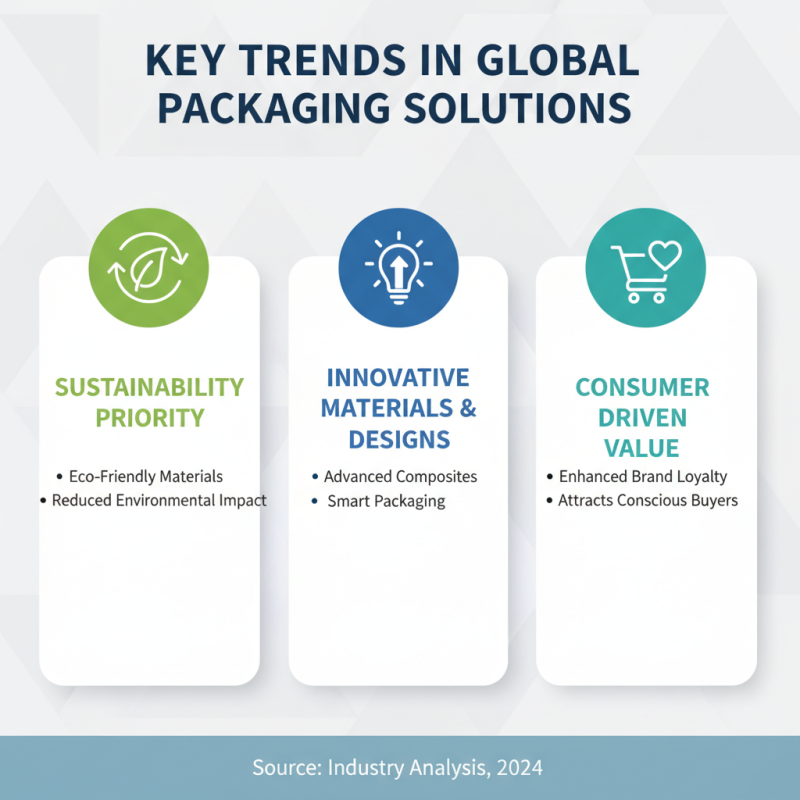
The dynamics of container and packaging solutions are evolving rapidly. Global buyers seek innovative materials and designs. Sustainability is now a priority. Eco-friendly packaging options are more prevalent. Brands strive to reduce their environmental impact. This shift enhances brand loyalty and attracts conscious consumers.
Smart technology is also making waves in packaging. Internet of Things (IoT) integrations help track shipments and reduce losses. These tech-driven solutions improve the supply chain. However, this creates new challenges, like data privacy concerns. Companies need to balance innovation with consumer trust.
Customization is critical in today's market. Packaging solutions that cater to specific consumer preferences are in demand. This trend signifies a move towards personalized experiences. Yet, maintaining quality and reliability remains a struggle for many businesses. The quest for the perfect balance continues as the industry adapts.
Innovative Materials Driving Container and Packaging Efficiency
Innovative materials are reshaping the container and packaging industry. A report from Smithers predicts that the global packaging market will reach $1 trillion by 2024. This growth is driven by advancements in materials technology. For instance, bioplastics and recycled content are becoming key players. These materials not only reduce environmental impact but also provide improved functionality.
Efficiency is a core focus among manufacturers. Lightweight materials save on shipping costs. Reports indicate that using lighter packaging can reduce logistical expenses by up to 30%. Such savings are attractive in today’s competitive market. However, the transition to sustainable materials is not without challenges. Many companies struggle with sourcing and maintaining quality while shifting away from traditional materials.
Consumer preferences are also evolving. There’s a rising demand for transparency in sustainable practices. According to a Nielsen report, 73% of millennials are willing to pay more for sustainable packaging. This indicates a shift in market dynamics. While innovation is vital, companies must balance sustainability with affordability. Assessing the cost-effectiveness of new materials will be essential.
Top Container and Packaging Solutions for Global Buyers
| Material Type |
Sustainability Rating |
Cost per Unit ($) |
Durability (Years) |
Applications |
| Biodegradable Plastics |
A+ |
0.15 |
1-3 |
Food Packaging, Personal Care |
| Glass |
A |
0.50 |
10-30 |
Beverage, Pharmaceuticals |
| Aluminium |
A |
0.30 |
15-25 |
Canned Goods, Aerosols |
| Cardboard |
B+ |
0.05 |
3-5 |
E-commerce, Shipping |
| Compostable Films |
A+ |
0.20 |
1-2 |
Food Wrap, Produce Bags |
Sustainable Packaging Practices and Their Impact on Global Trade
Sustainable packaging practices are gaining traction in global trade. More companies are adopting eco-friendly solutions. This trend impacts supply chains and consumer preferences. Sustainable materials, like biodegradable plastics and recycled papers, reduce environmental footprints. Consumers demand transparency in packaging choices.
Companies can implement green strategies to meet demands. They should assess their supply chains for eco-friendly options. Collaborating with suppliers who prioritize sustainability is vital. Switching to reusable packaging can also cut costs. This creates a loyalty loop with environmentally conscious consumers.
However, challenges remain. Not all sustainable materials perform equally. Companies must balance cost, functionality, and environmental impact. Achieving sustainability in packaging is an ongoing journey. Regular reviews and updates to practices help ensure progress. As the market evolves, staying informed on innovations is essential.
Top Container and Packaging Solutions for Global Buyers
This chart illustrates the impact of various sustainable packaging practices on global trade, showcasing the scores based on sustainability criteria. Biodegradable materials lead with the highest score, highlighting their relevance in current trade practices.
Emerging Technologies in Container Design and Manufacturing
Emerging technologies are reshaping container design and manufacturing. Innovations like 3D printing are influencing how companies create packaging solutions. This method allows for rapid prototyping, enabling faster design iterations. Designers can visualize concepts quickly and validate ideas more effectively.
Sustainable materials are gaining importance in the industry. Companies are seeking alternatives to traditional plastics. Biodegradable and recyclable materials are becoming prominent. These materials not only meet consumer demands but also help reduce environmental impact. However, the challenge lies in ensuring durability and functionality in these new packaging forms.
Tips: Focus on user experience. A well-designed container enhances product appeal. Always consider practicality over aesthetics. Future designs should be versatile. They need to cater to various products and shipping methods. Stay adaptable to industry trends. The market is evolving rapidly, and so should your approaches.
Challenges in Supply Chain Management for Container Solutions
Challenges in supply chain management for container solutions are increasingly complex. Global logistics is affected by various factors, such as fluctuating demand and regional disruptions. The demand for sustainability has risen, pushing companies to rethink materials and processes. Traditional practices often struggle to adapt.
One major issue is visibility. Many companies lack real-time tracking systems, making it difficult to anticipate delays. This uncertainty can lead to inventory shortages or overstock situations. Additionally, rising transportation costs can strain budgets. Companies must find more efficient routes and methods to mitigate these expenses.
Flexibility is another challenge. Supply chain disruptions can happen at any moment. This unpredictability forces companies to create contingency plans. However, not all organizations are well-equipped for this. Some rely on outdated strategies that may not meet current demands, leading to further complications. A shift toward innovative solutions is necessary for growth and resilience.