What Are Shipping Supplies?
Shipping supplies are the practical materials that protect an order between a warehouse shelf and a customer’s doorstep. They include corrugated boxes, padded mailers, paper cushioning, tape, labels, and protective wraps. The right choice depends on the item, its weight, and the journey ahead. A ceramic mug needs a snug box and cushioning. A soft T-shirt may travel safely in a lightweight mailer. Small choices matter.
The scale is significant. Pitney Bowes’ 2023 Parcel Shipping Index reported about 161 billion parcels shipped worldwide in 2022. More parcels mean more demand for packaging, but also more material to consider. The U.S. Environmental Protection Agency reported that containers and packaging made up 28.1% of municipal solid waste generated in 2018. That category is broader than shipping supplies alone, so it should not be read as a shipping-only figure. Still, it gives useful context. There is no perfect mailer for every order.
Ellen MacArthur, founder of the Ellen MacArthur Foundation, has helped bring circular design into packaging discussions. The foundation describes a circular economy as one that aims at “designing out waste and pollution, keeping products and materials in use, and regenerating natural systems.” Applied to shipping supplies, that means balancing protection, material use, and what happens after delivery. A box that arrives crushed has failed its job; an oversized box can waste space and cushioning. The trade-offs are real. Even careful teams may not get every decision right, and packaging choices deserve regular review. This guide explains the materials, their uses, and the details that can make shipping safer and less wasteful.

What Shipping Supplies Are and What They Do
What Are Shipping Supplies?
What Shipping Supplies Are and What They Do
Shipping supplies are materials used to prepare, protect, and identify a parcel during delivery. They include boxes, padded mailers, paper cushioning, tape, labels, and sometimes stretch wrap. Each has a practical job. A sturdy box helps resist crushing. Cushioning limits movement when a parcel is handled or tilted. Tape keeps the package closed, while a readable label helps direct it to the right destination.
The right supplies depend on the item, its weight, and the journey ahead. A ceramic mug needs more protection than a cotton shirt. Fill empty spaces so contents cannot knock against the box walls. Choose a box that fits without squeezing the item. An oversized box can let things shift, while a tight fit leaves little room for padding. A tidy outside can still hide poor packing. Check how the item sits inside.
Tips: Before sealing, gently shake the parcel. Listen for movement. Check that the seams are taped and the address is clear. Wrap fragile pieces separately, then press lightly on the packed box to check for weak spots. Reusing a clean box can be practical, but inspect its corners and remove old labels. It is easy to overlook a loose item when the outside looks finished.
The Main Types of Shipping Supplies
Shipping supplies include the containers and materials that protect an item from packing table to delivery. Corrugated boxes suit many heavier or oddly shaped goods, while flexible mailers work for clothing and other non-fragile items. Padded mailers add cushioning for small products, but they are not a substitute for a sturdy box when an item can crack or bend. Fit matters. Choose a container with enough room for protective material, but not so much that the contents slide around.
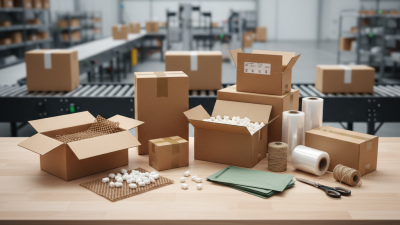
Cushioning options include kraft paper, air pillows, and foam inserts. Paper can fill gaps and wrap surfaces; inserts help keep a product from shifting. Packing tape seals box seams, and shipping labels communicate the destination and handling details. For heavier parcels, check that the box is in good condition and that its base is securely taped. A neat-looking package can still be weak at the corners.
Tips: Place the item in the center, then gently shake the closed box. If you feel movement, add cushioning. Avoid letting packing material press hard against delicate surfaces. A small test helps, though it cannot predict every rough trip.
Select supplies for the item’s weight, shape, and fragility rather than appearance alone. Reusing a clean box may be practical, but worn edges or old labels can cause problems. Remove outdated labels, and inspect the seams before handing the parcel off.
How Shipping Supplies Protect and Identify Packages
Shipping supplies protect goods from drops, vibration, moisture, and pressure during transit. A sturdy corrugated box resists stacking forces; cushioning keeps a ceramic mug from striking the walls. Paper padding or air cushions can fill gaps, while strong tape secures the seams. Fit matters. Too much empty space lets items shift, but excessive padding adds material and cost. It is not foolproof. A poorly sealed corner can still split when a parcel is handled roughly.
Supplies also carry the information that moves a parcel through sorting systems. A shipping label needs a clear address and a barcode placed flat, away from seams and edges. GS1 reports that its barcode standards support more than 10 billion scans daily worldwide, illustrating how much routine commerce depends on readable codes (GS1). The scale of delivery is substantial: the 2023 Pitney Bowes Parcel Shipping Index reported 21.7 billion U.S. parcels that year. At that volume, a smudged label or weak box can create avoidable delays. Yet adding layers is not always better. Teams should test packaging with realistic drops and handling, then check whether labels remain readable after rubbing or light moisture. That extra check is easy to skip. It shouldn’t be.
How to Choose Supplies for Different Shipments
What Are Shipping Supplies? How to Choose Supplies for Different Shipments
Choose supplies around the item’s weight, shape, fragility, and journey. A snug corrugated box suits heavy or breakable goods; a padded mailer works better for small, durable items. For glass, leave space around the object and use cushioning on every side. For clothing, a moisture-resistant mailer may be enough. A box that is much too large wastes material and lets products move. Too small, and corners can press against the contents.
The U.S. Environmental Protection Agency reported that containers and packaging generated 82.2 million tons of municipal solid waste in 2018, or 28.1% of the total. That figure is a useful reminder: packaging choice affects both protection and waste. Match cushioning to the risk, not habit. Check the packed parcel for movement, weak seams, and exposed edges before sealing. It is not a perfect test, but a gentle shake can reveal a loose fit.
Tips: Weigh the packed shipment, not just the product. Use paper cushioning for light voids and sturdier padding for fragile items. Keep liquids upright in a sealed inner container, with absorbent material around it. If a package feels awkward to lift or bulges at the seams, rethink the box. EPA’s figure comes from its 2018 Advancing Sustainable Materials Management report.
How Shipping Supplies Fit into the Shipping Process
Shipping supplies are the materials that protect and identify a parcel as it moves from a sender to its recipient. They include boxes, padded mailers, paper cushioning, tape, shipping labels, and sometimes moisture-resistant liners. Each item has a job. A sturdy box supports the product, while cushioning limits movement when the parcel is tilted or bumped.
Supplies shape the shipping process before a package leaves the workspace. Staff choose a container that fits the item without leaving excessive empty space. A ceramic mug, for example, needs cushioning around its handle and enough room to absorb small impacts. The sender then closes the package with tape and places the label on a flat, visible surface. Small details matter. A folded label or weak seam can slow handling or expose the contents.
At dispatch, the label helps connect the parcel to its tracking record, and the sealed package is weighed and measured for the chosen service. Accurate dimensions can prevent unexpected adjustments and help teams plan storage and transport. During sorting, a box may be stacked, turned, or moved across several surfaces, so secure packing matters beyond the first trip to the carrier. Still, packing guidance is not perfect for every product; fragile shapes and unusual materials may need a trial pack before routine shipping. A quick shake test can reveal loose contents, though it cannot predict every impact on the route.
What Are Shipping Supplies?
How shipping supplies fit into the shipping process
Shipping supplies help contain, protect, seal, and identify a parcel. The chart counts common supply examples for each task: boxes and mailers for packaging; paper, bubble cushioning, air pillows, and foam inserts for protection; tape and strapping for sealing; and shipping labels and document pouches for identification and paperwork. These are illustrative category counts, not survey results.