What are Roll Down Fire Doors and How Do They Work?
Roll Down Fire Doors are essential safety features in commercial and industrial buildings. They are designed to prevent the spread of fire and smoke. These doors close automatically in the event of a fire, creating a barrier to protect lives and property.
Made from sturdy materials, Roll Down Fire Doors slide down from an overhead position. When activated, they deploy quickly to seal off hazardous areas. Their operation is often linked to fire alarm systems, ensuring prompt response during emergencies. Each door is tested to meet strict safety standards, reflecting their critical role in fire safety.
However, maintaining these doors can be challenging. Regular inspections and maintenance are necessary to ensure they function correctly. Sometimes, owners overlook this aspect. It's crucial to address any wear and tear on these doors, as neglect can lead to failures during emergencies. Understanding Roll Down Fire Doors helps enhance safety measures and protect valuable assets.
What Are Roll Down Fire Doors?
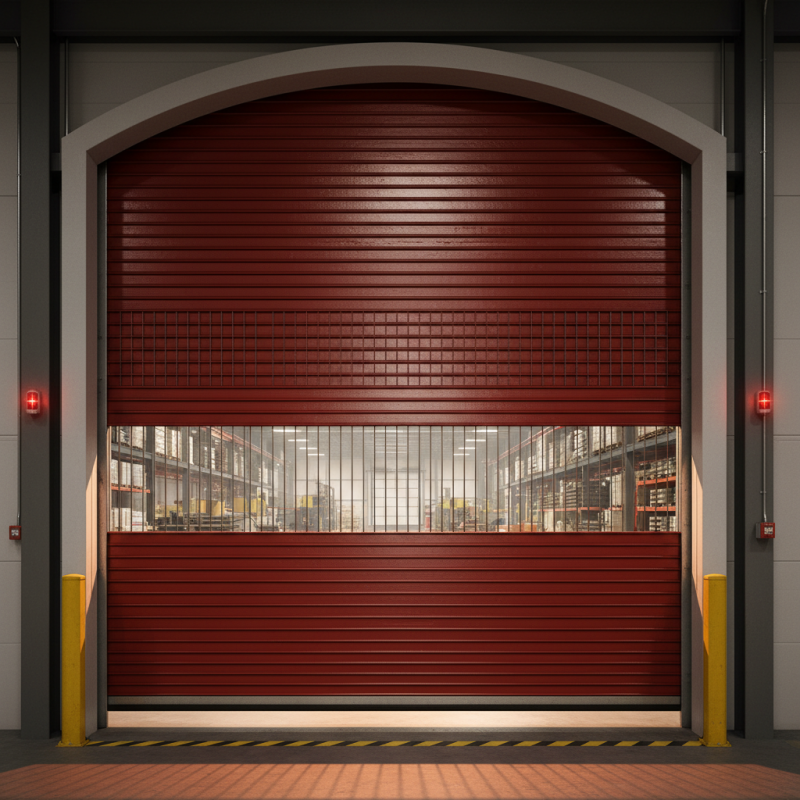
Roll down fire doors are essential safety features in many buildings. They act as a barrier against the spread of smoke and flames during a fire. These doors are made of durable materials, often steel, designed to withstand high temperatures. When triggered, they can descend quickly, sealing off specific sections of a building. This limits fire damage and helps protect lives.
The operation of roll down fire doors is quite straightforward. They are usually connected to a fire alarm system. When an alarm goes off, the door rolls down automatically. Some models can also be operated manually. Regular maintenance is crucial. If they don't function properly, lives may be at risk. It's important to check the door's mechanism frequently. Small issues can become serious problems over time.
Incorporating roll down fire doors into building designs can enhance safety. However, they should not be the only fire safety measure in place. Understanding their limitations is vital. Training staff on how to respond during an emergency is equally important. Fire doors alone cannot prevent tragedies; they must work in harmony with other safety protocols.
What are Roll Down Fire Doors and How Do They Work?
| Feature | Description | Functionality | Usage Scenarios |
| Material | Typically made from steel or aluminum for durability and fire resistance. | Provides a physical barrier to fire and smoke. | Industrial facilities, warehouses, and parking garages. |
| Operating Mechanism | Manually operated or automatically deployed during a fire alarm. | Lowers quickly to isolate fire hazards. | Large openings requiring fire protection. |
| Standards Compliance | Meets fire safety regulations (e.g., NFPA, UL standards). | Ensures reliability and safety during emergencies. | Commercial and industrial setups requiring approval. |
| Maintenance | Regular inspections and tests to ensure functionality. | Keeps doors operational and compliant with safety codes. | Facilities with frequent fire safety inspections. |
| Fire Rating | Available in different fire ratings (e.g., 1 hour, 2 hours). | Indicates the length of time the door can withstand fire. | Encounters high fire risk areas. |
The Purpose and Importance of Roll Down Fire Doors
Roll down fire doors play a crucial role in fire safety. Their primary purpose is to contain flames and smoke, preventing their spread. According to the National Fire Protection Association (NFPA), nearly 60% of fire deaths occur in building fires. Effective containment methods can significantly reduce these tragedies.
These doors activate automatically when smoke is detected. They can also be manually deployed. A study by the National Institute of Standards and Technology (NIST) indicates that unprotected openings can lead to increased fire spread by more than 20%. Roll down fire doors help mitigate this risk by closing off areas, creating a barrier against fire.
Despite their importance, not all installations are flawless. Proper maintenance is critical. A report from the International Fire Code states that nearly 30% of fire doors fail to operate correctly. Regular inspections and testing can ensure they function as intended. The effectiveness of roll down fire doors is compromised without proper upkeep, putting lives at risk.
How Roll Down Fire Doors Operate Mechanically
Roll down fire doors are essential safety features in many buildings. They provide a barrier against flames and smoke. Understanding how they work is crucial. These doors are typically stored in an overhead housing. When activated, they descend rapidly to create a protective barrier.
The mechanism begins with a fire alarm or a manual trigger. This activates the motor system that controls the door. Often, it uses a series of pulleys and weights for smooth operation. In some designs, a spring tension system helps in the swift roll-down process. However, if not maintained properly, these systems can fail. It’s important to conduct regular inspections and testing.
Additionally, the materials used in these doors are designed to withstand high temperatures. This design helps in prolonging the time before flames can penetrate. Yet, even with these features, improper installation can lead to serious issues. The balance of the door is key; if it’s off, it might not seal correctly. Regular training on operation and maintenance helps ensure effectiveness in emergencies.
Key Components of Roll Down Fire Doors
Roll down fire doors are essential for safety in commercial buildings. They act as barriers to slow down the spread of smoke and flames during a fire. Understanding their key components is vital for maintaining safety standards.
The primary elements include the door curtain, end locks, and the drive mechanism. The door curtain is made from fire-resistant materials, essential for withstanding high temperatures.
According to industry reports, these materials can endure temperatures up to 1800°F. End locks ensure the door remains securely in place when closed, minimizing the risk of smoke leakage. Additionally, the drive mechanism, which can be either electrical or manual, controls the door's movement. The choice between them can affect response time and reliability.
Regular maintenance is crucial. Neglecting routine checks can lead to failures when they are most needed. Research highlights that nearly 20% of fire doors inspected fail to operate properly due to lack of maintenance. Users often overlook the importance of keeping these components in optimal condition. Understanding these aspects can significantly enhance fire safety in buildings.
Installation and Maintenance Considerations for Fire Doors
When installing roll down fire doors, several critical factors must be considered. Proper placement is essential. The door should effectively block fire and smoke. Ensure that the area is clear of obstructions. This helps the door function properly during emergencies. Correct sizing is also vital. A door that is too large or too small might not seal effectively.
Routine maintenance is another crucial aspect. Fire doors require regular inspections to spot wear and tear. Look for any signs of damage or misalignment. Mechanical components should be lubricated to ensure smooth operation. Regular testing of the door is necessary to confirm it closes fully. Incomplete sealing can compromise safety.
Documentation is often overlooked but is just as important. Keeping a log of inspections and repairs aids compliance. Non-compliance can lead to safety hazards. Additionally, training staff on operational procedures is vital. They must understand how to use the doors correctly. Ignoring these considerations can lead to serious issues down the line.
