Top Food Packaging Supplies Every Business Needs to Know About
In the competitive landscape of the food industry, understanding the essentials of food packaging supplies is crucial for any business looking to thrive. With the ever-increasing emphasis on quality, safety, and sustainability, the packaging you choose not only serves as a protective barrier but also communicates your brand's values and commitment to excellence. Food packaging supplies encompass a variety of materials and options that cater to diverse needs, from ensuring freshness and preventing contamination to enhancing visual appeal and convenience for consumers.
As businesses navigate the complexities of food packaging, it becomes imperative to be well-informed about the types of supplies available and their respective advantages. From eco-friendly materials that appeal to environmentally-conscious consumers to robust solutions designed for cold chain logistics, each choice can significantly impact product quality and customer satisfaction. This article delves into the top food packaging supplies that every business should consider, providing insights that empower food producers, retailers, and distributors to make informed decisions that align with their operational goals and customer expectations.
Essential Types of Food Packaging Materials for Businesses
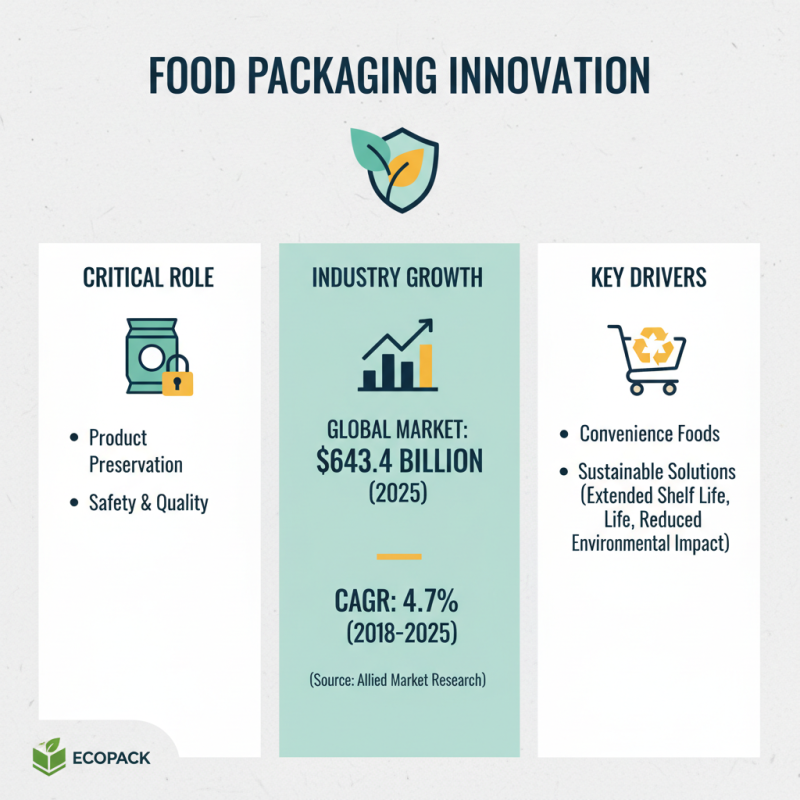
Food packaging plays a critical role in the preservation of products, ensuring safety and quality for consumers. In recent years, the food packaging industry has seen significant innovation, with a focus on sustainability and functionality. According to a report by Allied Market Research, the global food packaging market is expected to reach $643.4 billion by 2025, growing at a CAGR of 4.7%. This growth is driven by an increased demand for convenience foods and the need for materials that can extend shelf life while minimizing environmental impact.
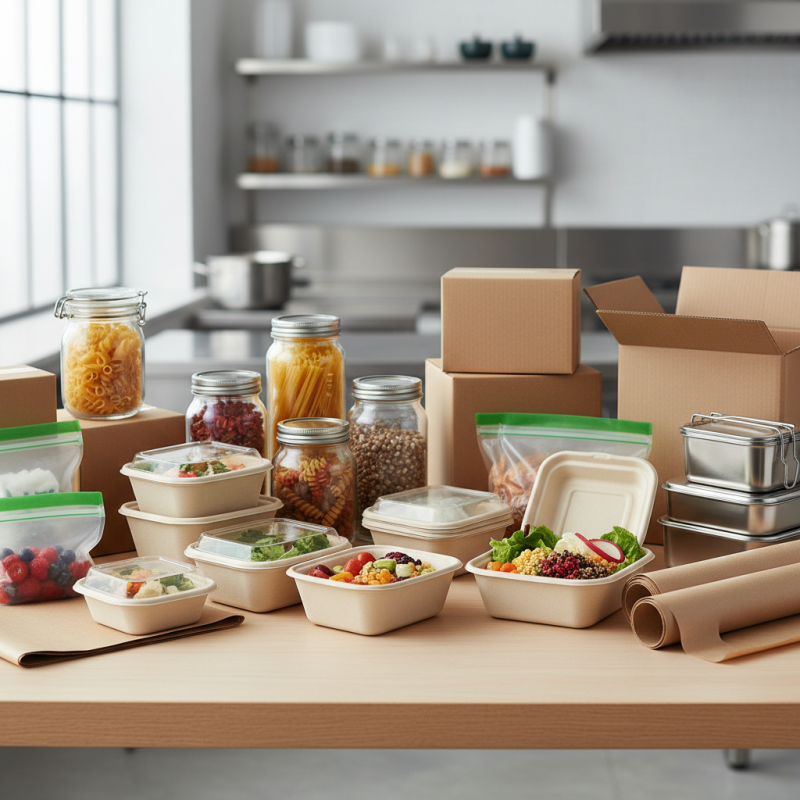
One of the essential types of food packaging materials businesses should consider are biodegradable and compostable materials. These alternatives to traditional plastic packaging are gaining momentum, with a market projected to grow to $8.2 billion by 2027, according to Research and Markets. Such materials not only appeal to environmentally conscious consumers but also comply with increasing regulations regarding plastic usage. Additionally, glass and metal containers remain popular choices due to their recyclability and ability to preserve food quality. With 48% of consumers prioritizing sustainability in packaging, businesses must adapt to these trends to maintain a competitive edge in the market.
Furthermore, advancements in technology have led to the development of smart packaging solutions, which incorporate features such as freshness indicators and anti-tampering designs. These innovations can enhance the consumer experience by providing real-time information about the product's quality. As reported by Smithers Pira, the smart packaging market is expected to grow at a CAGR of 5.4%, reaching $31 billion by 2024. By staying informed about these essential packaging materials and trends, businesses can effectively meet the evolving demands of their customers while ensuring compliance with industry standards.
Understanding Eco-Friendly Packaging Options in Food Industry
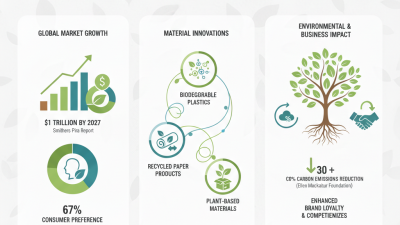
The food industry is increasingly recognizing the importance of eco-friendly packaging options as consumers demand more sustainable practices from businesses. These options not only help reduce the environmental impact of food packaging but also appeal to a growing segment of eco-conscious consumers. Materials such as biodegradable plastics, recycled paper, and compostable containers are becoming standard choices for businesses looking to minimize their carbon footprint. By utilizing such materials, food companies can contribute to a circular economy, where resources are reused and waste is significantly reduced.
Moreover, switching to eco-friendly packaging can also enhance a brand's image and appeal. Companies that prioritize sustainability often gain a competitive edge by aligning their values with those of environmentally aware consumers. For instance, using packaging that is easily recyclable or made from renewable resources can enhance customer loyalty and attract new clientele. Incorporating clear labeling about the sustainable attributes of the packaging can further engage consumers and demonstrate commitment to environmental stewardship, ultimately benefiting both the planet and the business's bottom line. As the food industry continues to evolve, embracing eco-friendly packaging solutions will be key in promoting sustainability and meeting consumer expectations.
Eco-Friendly Packaging Materials Used in the Food Industry
Key Factors to Consider When Choosing Food Packaging Supplies
When selecting food packaging supplies, businesses must consider several key factors to ensure they meet the needs of both their products and customers. One of the primary considerations is the type of food being packaged. Different foods require different levels of protection from environmental factors such as moisture, air, and light, which can impact freshness and shelf life. For instance, dry goods may require different packaging compared to perishable items like meats and dairy products. Consequently, understanding the nature of the food being packaged helps determine the appropriate materials and designs that will preserve quality and enhance appeal.
In addition to the nature of the food, businesses should also consider sustainability and consumer preferences. With growing awareness around environmental issues, opting for eco-friendly packaging options can attract eco-conscious consumers and improve brand image. This includes assessing biodegradable materials, recyclable options, and minimizing packaging waste. Furthermore, it’s essential to ensure that the chosen packaging aligns with regulatory standards for food safety and hygiene. Compliance with these standards not only protects consumers but also strengthens a business's credibility and can prevent costly legal issues down the line. Balancing functionality, sustainability, and safety is crucial for any business looking to thrive in today’s competitive food industry.
Innovative Technologies in Food Packaging Solutions
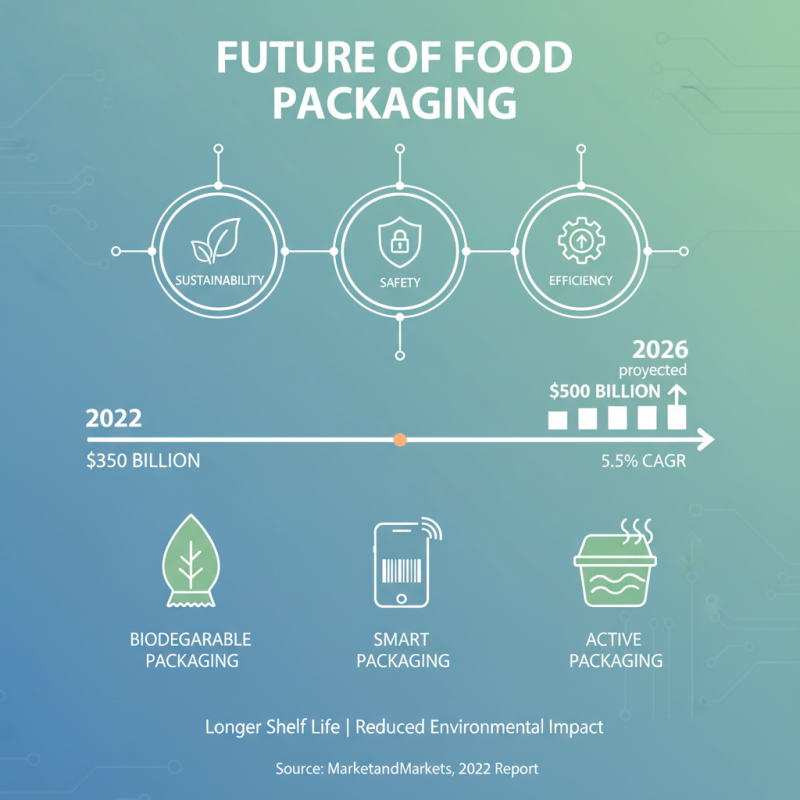
Innovative technologies in food packaging solutions are significantly shaping the industry, catering to the evolving demands for sustainability, safety, and efficiency. According to a 2022 report by MarketsandMarkets, the global food packaging market is expected to reach $500 billion by 2026, growing at a CAGR of 5.5%. This growth is driven by advancements in materials and methods, including biodegradable packaging, smart packaging, and active packaging technologies. These innovations not only enhance product shelf life but also minimize environmental impact, responding to consumer preferences for eco-friendly solutions.
One of the key trends in food packaging technology is the development of smart packaging that integrates sensors and indicators to monitor the freshness of food products. As per a research report from Allied Market Research, the smart packaging segment is projected to grow at an impressive 7.8% CAGR over the next few years. This technology provides real-time information regarding temperature, humidity, and spoilage, allowing businesses to manage their inventory better and reduce food waste. Furthermore, active packaging solutions that incorporate antimicrobial agents are gaining traction, effectively extending the shelf life of perishables while ensuring food safety.
Additionally, the shift towards sustainable materials is notable, with many businesses adopting recyclable and compostable packaging options. A study published in the Journal of Cleaner Production highlights that almost 65% of consumers are willing to pay more for sustainable packaging. This trend indicates a significant market opportunity for companies that prioritize eco-friendly practices while meeting the regulatory standards set forth in various regions. As the food packaging landscape continues to evolve, embracing these innovative technologies will be crucial for businesses aiming to stay competitive and address consumer concerns about sustainability and convenience.
Regulations and Standards for Food Packaging Safety and Compliance
When it comes to food packaging, understanding regulations and standards for safety and compliance is crucial for every business in the food industry. With the increase in consumer awareness regarding food safety, strict guidelines have been set forth by various agencies to ensure that all packaging materials meet health and safety standards. These regulations typically address aspects such as materials used, labeling accuracy, and the necessity for food-grade safety.
Tips: Always ensure your packaging materials are certified safe for food contact by reputable regulatory bodies. This not only protects your consumers but also enhances your brand's reputation. Regularly revisiting and updating your knowledge of local and international packaging regulations is essential, as these guidelines can evolve over time.
Moreover, businesses must remain vigilant about sustainability practices. Compliance with environmental regulations regarding packaging waste is becoming increasingly important. Opting for recyclable or biodegradable materials not only meets legal requirements but also caters to the growing consumer demand for eco-friendly products.
Tips: Consider implementing a recycling program for your packaging waste. Educating your customers on how to dispose of your packaging responsibly can bolster your commitment to sustainability.