How to Choose the Best Drone Detector for Your Needs?
Choosing the best drone detector can be challenging. It involves understanding your specific needs and the features available in the market. A drone detector is not just a gadget; it is a tool to enhance security and privacy. The right detector can help you identify unauthorized drone activity, especially in sensitive areas.
Consider the various types of drone detectors you may encounter. Some focus on radio frequency detection, while others use radar technologies. Each type has its own strengths and weaknesses. For example, RF detectors can identify the communication between drones and their operators. However, they might miss out on some low-flying drones. On the other hand, radar-based detectors offer comprehensive coverage but can come with high costs.
Reflecting on your environment is vital. Are you in an urban area with many potential threats? Or are you in a quieter, rural location? These factors will influence your choice. Understanding the intricacies of different drone detectors empowers you to make an informed decision.
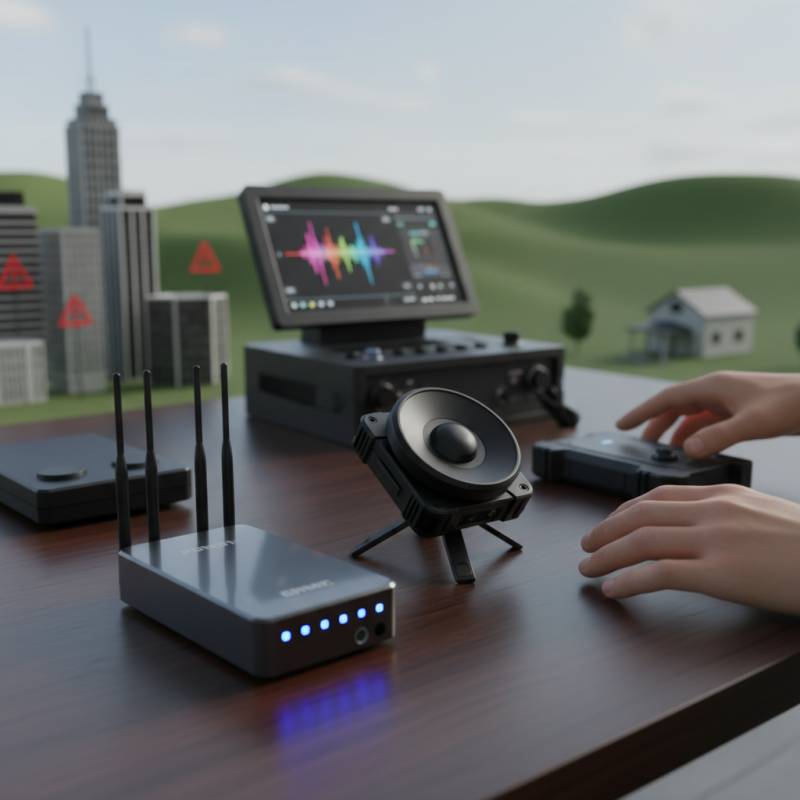
Understanding Drone Detection Technology and Its Importance
Understanding drone detection technology is essential in today's rapidly evolving aerial landscape. As drones become more prevalent, the need for effective detection methods has grown. According to a report by Research and Markets, the global drone detection market is projected to reach $1.6 billion by 2025. This reflects heightened awareness of the complexities and risks associated with unauthorized drone operations.
Drone detection technology utilizes various methods, including RF signal detection, radar tracking, and infrared sensors. Each method has its strengths and weaknesses. For example, RF signal detection is effective for identifying consumer drones, yet it may struggle against military-grade models. This gap highlights the need for a comprehensive understanding of your specific requirements before selecting a detector.
Moreover, the importance of drone detection extends beyond mere security. It plays a vital role in protecting privacy and ensuring safety in sensitive areas. According to a study from the International Journal of Aeronautics, around 80% of drone-related incidents could be mitigated with proper detection systems in place. However, not every drone detector is built the same way, and that can lead to inefficiencies and unexpected results. Identifying what type of technology aligns with your unique needs is crucial.
How to Choose the Best Drone Detector for Your Needs?
| Feature | Description | Importance |
| Detection Range | The maximum distance at which the detector can identify drones. | Essential for effective surveillance and security in larger areas. |
| Frequency Bands | The specific radio frequencies that the detector is capable of monitoring. | Important for identifying various types of drones that may operate on different frequencies. |
| Portability | The ease with which the detector can be transported and set up. | Critical for deployment in various locations, especially for field operations. |
| User Interface | The design and functionality of the device’s control panel and display. | A straightforward interface allows for quick operation and response in critical situations. |
| Integration Capabilities | Ability to connect with other security systems or software. | Enhances overall security by enabling coordinated responses. |
| Price | The cost of the drone detection system. | Budget considerations are crucial for both businesses and individuals. |
Types of Drone Detectors: Features and Functions
When selecting a drone detector, understanding the types of devices available is crucial. Various models come with different features and functions, tailored to meet specific needs. Some detectors focus on radar technology, while others utilize RF (radio frequency) detection. Each method has its strengths. Radar-based systems can offer detailed tracking. RF detectors, on the other hand, are often lighter and more portable.
Consider the environment where you intend to use the detector. Indoor settings may require less range but higher sensitivity. Outdoor scenarios often demand robust detection capabilities. Think about features like real-time alerts and data logging as well. Real-time alerts help in immediate assessment. Data logging provides valuable insights over time.
Price often reflects complexity. Cheaper models might miss some drone signals entirely. This can lead to critical gaps in your security. However, more expensive options may be more than you need. Balancing budget and requirements is essential. It’s tempting to opt for the latest technology, but sometimes a simpler model does the job. Exploring customer reviews can offer real-world insights, highlighting both the strengths and flaws of each detector type.
Factors to Consider When Choosing a Drone Detector
Selecting the right drone detector requires careful consideration of various factors. The environment where the detector will be used plays a critical role. For urban areas, look for models with high sensitivity to detect drones amid many signals. In rural settings, a longer range may be more beneficial since fewer interferences exist.
Battery life is another essential factor. A reliable drone detector should have an extended battery that lasts throughout the day. Additionally, portability matters. If you need to move frequently, lightweight and compact designs are preferable.
Tips: Ensure you check reviews and user experiences online. This can provide insights that specifications alone may not reveal. Testing different models in a controlled environment can help you understand their functionality before making a purchase. Be patient; you might not find the ideal detector immediately. Continuous research and updates on the technology will guide your decision-making process.
Drone Detector Features Comparison
Evaluating the Performance and Range of Drone Detectors
When evaluating the performance and range of drone detectors, consider a few critical factors. The detection range is pivotal. Quality detectors can achieve up to 3 kilometers in urban areas. However, various environmental factors can affect this range. Buildings, trees, and interference can reduce effectiveness. According to a 2022 industry report, only 47% of users find their detectors reliable in complex environments. This statistic underlines the necessity of thorough assessment during selection.
To ensure optimal performance, familiarize yourself with the specifications of potential detectors. Many offer customizable detection parameters. Adjusting sensitivity levels based on location can improve results. It is beneficial to review independent testing data to see how various models perform under real conditions.
Tips: Before purchasing, attend product demonstrations if possible. Testing a drone detector in different environments can reveal its limitations. Additionally, consider community forums for user reviews. Users often share valuable insights about their experiences, highlighting both strengths and weaknesses. A well-rounded understanding will help in choosing a detector that meets your specific needs.
Budget Considerations and Cost-Effectiveness of Drone Detectors
When selecting a drone detector, budget plays a crucial role. Many features can influence the cost of a drone detector, such as the range, detection capabilities, and additional functionalities. Entry-level models often start around a few hundred dollars. However, advanced detectors can cost thousands. Invest wisely; consider what features you genuinely need.
Cost-effectiveness is also vital. Some detectors may have a higher upfront price but offer long-term savings through durability and reduced maintenance. Assess the available options carefully. A less expensive model might lack essential features, resulting in future expenses. Analyze your usage frequency and the potential risks involved with undetected drones.
Remember, price doesn't always equal quality. It's essential to research and compare products thoroughly. Look for user reviews and specifications. Ensure your choice aligns with your requirements and risk factors. Balancing budget with effectiveness can be challenging but is necessary for making an informed decision.
