How to Choose Reflective Workwear for Safety and Visibility?
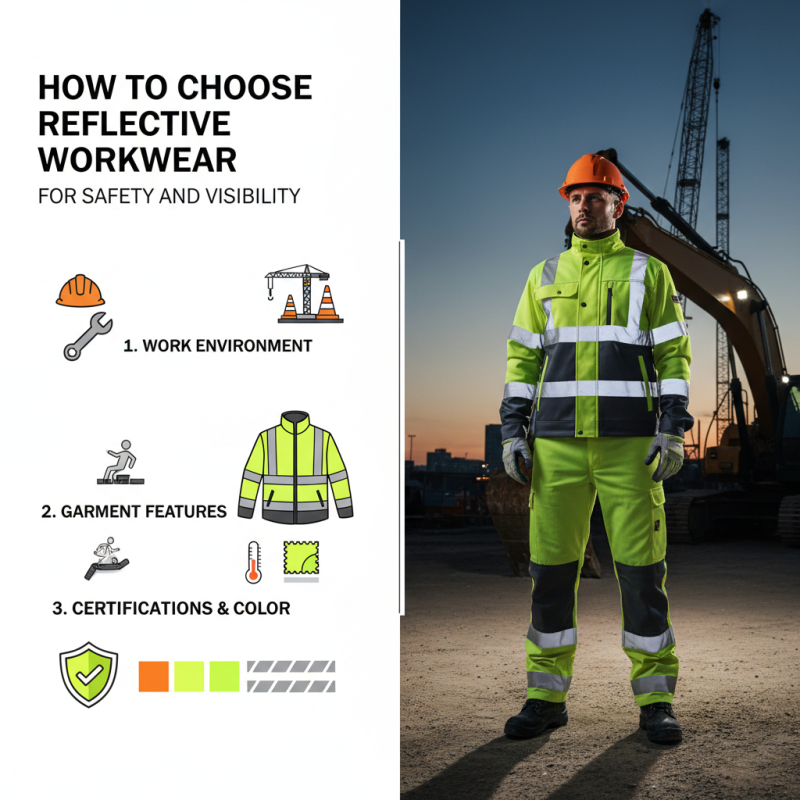
Choosing the right reflective workwear is crucial for safety and visibility in various work environments. Many workers face hazards daily, making proper clothing an essential factor in reducing risks. Reflective workwear, designed with high visibility materials, plays a vital role in ensuring that individuals are seen, especially in low-light conditions.
Consider the type of work you'll be doing. Construction sites and roadside work demand specific styles and features in reflective clothing. The right fit is not just about comfort; it's about functionality too. Some garments can be bulky, hindering movement. Workers should also consider the climate and material durability. Inadequate protection can lead to accidents.
Finally, it's easy to overlook certain aspects when selecting reflective workwear. The color, reflectivity level, and certifications are vital. Ignoring these can have serious consequences. Safety is not just about compliance; it involves creating an environment where everyone can feel secure. Reflective workwear is a simple yet effective way to enhance visibility and protect lives.
Understanding the Importance of Reflective Workwear in Safety
Reflective workwear plays a crucial role in ensuring safety and visibility in various environments. When working near traffic, construction sites, or dark areas, visibility becomes vital. Reflective materials can significantly enhance an individual's visibility to drivers and machinery operators, even in low light conditions. Garments designed with reflective strips allow for greater awareness of workers in hazardous situations.
However, not all reflective workwear is created equal. The effectiveness of these garments can vary based on materials and design features. Some workers may find that certain types of reflective clothing are uncomfortable or restrict movement. Others may feel that the reflective strips do not shine brightly enough to attract attention. These factors can affect the overall safety of an individual on the job. Therefore, it’s essential to evaluate comfort, functionality, and durability when selecting reflective workwear.
Visibility does not solely depend on clothing. Environmental factors, like weather or time of day, also play a significant role. Reflective gear must match the specific workplace conditions to provide maximum effectiveness. Reflective workwear is a necessary component of workplace safety, but it is not infallible. Continuous reassessment and adaptation are key to ensuring that workers remain safe and visible at all times.
How to Choose Reflective Workwear for Safety and Visibility?
| Feature | Importance | Recommendations |
| Material | Durability and comfort in various conditions | Choose breathable, moisture-wicking fabric |
| Reflectivity | Increased visibility in low-light situations | Look for garments with high-intensity reflective strips |
| Sizing | Proper fit enhances comfort and effectiveness | Refer to size charts and allow for movement |
| Color | Bright colors enhance visibility in all conditions | Opt for fluorescent colors for daytime visibility |
| Compliance Standards | Meets legal and industry safety requirements | Verify compliance with relevant standards (e.g., ANSI/ISEA) |
Key Features to Look for in Reflective Materials
When selecting reflective workwear, the choice of material is crucial for safety and visibility. Look for high-visibility fabric that meets safety standards. Bright colors like fluorescent yellow or orange enhance daytime visibility. The fabric should ideally be lightweight yet durable for comfort during long hours.
Reflective materials should feature retroreflective properties. This means they reflect light back toward its source, increasing visibility at night or in low-light conditions. Check the number of reflective strips on the garment. More strips usually mean better visibility, especially if they are strategically placed on shoulders and torso.
Additionally, consider the washing and wearability of the materials. Some fabrics lose their reflective quality after several washes. Make sure to choose wearables that maintain their effectiveness over time. A balance between functionality and comfort is essential. Ensure that the workwear allows for easy movement. Remember, if it’s uncomfortable, it won’t be worn. Always prioritize features that enhance safety while accommodating personal needs in the workplace.
Choosing the Right Fit for Comfort and Functionality
When choosing reflective workwear, fit is crucial for comfort and functionality. Well-fitting garments allow for ease of movement. A snug but not tight fit can help in active work environments. Loose clothing can snag on equipment, causing hazards.
Consider the design of the workwear. Look for adjustable features like cuffs and waistbands. This can enhance both safety and comfort. However, some users find too many adjustments confusing. They accidentally wear items that don't fit properly. Keep an eye out for this pitfall.
Choosing the right size is a balance. Too big, and visibility is compromised. Too small, and movement becomes restricted. Reflect on your specific tasks. Will you be bending or reaching often? These factors should guide your choice in workwear. Aim for materials that feel good against the skin. Breathable fabrics keep you comfortable, even in humid conditions.
Reflective Workwear Visibility Ratings
Assessing Environmental Conditions for Appropriate Workwear Selection
Choosing the right reflective workwear starts with understanding the environmental conditions. The area of operation significantly affects the level of visibility required. For example, in construction zones, bright colors are essential. A report from the Occupational Safety and Health Administration (OSHA) indicates that high-visibility gear can reduce accident rates by over 50%. In low-light conditions, such as early mornings or late evenings, reflective materials are crucial.
Consider weather factors as well. Rain, fog, or snow can obscure visibility. In such cases, waterproof reflective gear offers the best protection. According to the National Institute for Occupational Safety and Health (NIOSH), exposure to severe weather conditions without proper gear leads to increased accident risks. Workers have reported feeling unsafe without appropriate clothing in adverse conditions.
Temperature is another factor. In hot climates, lightweight reflective materials are necessary. Heavy gear may hinder mobility and increase fatigue. Alternatively, in colder environments, thermal reflective clothing is needed. Reflecting on these conditions is vital. Many make the mistake of underestimating the importance of context. Proper assessment can lead to safer work practices and better visibility.
Compliance with Safety Standards and Regulations for Workwear
When selecting reflective workwear, compliance with safety standards is crucial. Many industries mandate compliance with regulations to ensure worker safety. The American National Standards Institute (ANSI) sets specific guidelines outlining the required visibility levels for various work conditions. For instance, ANSI Class 2 garments are meant for environments with traffic speeds over 25 mph. This ensures that workers are visible both day and night.
According to the National Institute for Occupational Safety and Health (NIOSH), wearing high-visibility clothing reduces the risk of accidents. Data from their reports shows that reflective gear lowers the likelihood of fatal injuries by over 30% in low-light conditions. However, employers often overlook the importance of proper fit and wearability. Ill-fitting clothes can restrict movement, making them ineffective.
Moreover, not all reflective materials are created equal. Some fabrics can wear down quickly, losing their reflective properties over time. Regular inspections are essential, yet many workplaces fail to implement effective checks. This negligence can lead to serious consequences. Understanding these facets is vital for maintaining safety in hazardous environments.
