What is a Camera Endoscope and How Does it Work?
A Camera Endoscope is a remarkable tool in modern medicine. It combines advanced imaging technology with a flexible design, allowing doctors to view internal organs and structures without invasive surgery. This innovation has transformed diagnostic procedures. It helps in identifying issues early and accurately.
The Camera Endoscope features a tiny camera that transmits live images to a monitor. This ability lets physicians see real-time visuals of the internal body. Yet, while its advantages are numerous, challenges remain. Some patients may feel discomfort during the procedure. Additionally, endoscopy requires skilled professionals for effective operation.
As technology advances, the Camera Endoscope continues to evolve. Limitations still exist, such as the variability in image quality based on technique and the area being examined. Doctors must remain vigilant, ensuring their assessments are correct. Overall, the Camera Endoscope exemplifies the blend of innovation and care in modern healthcare, though continuous improvement and training are necessary.
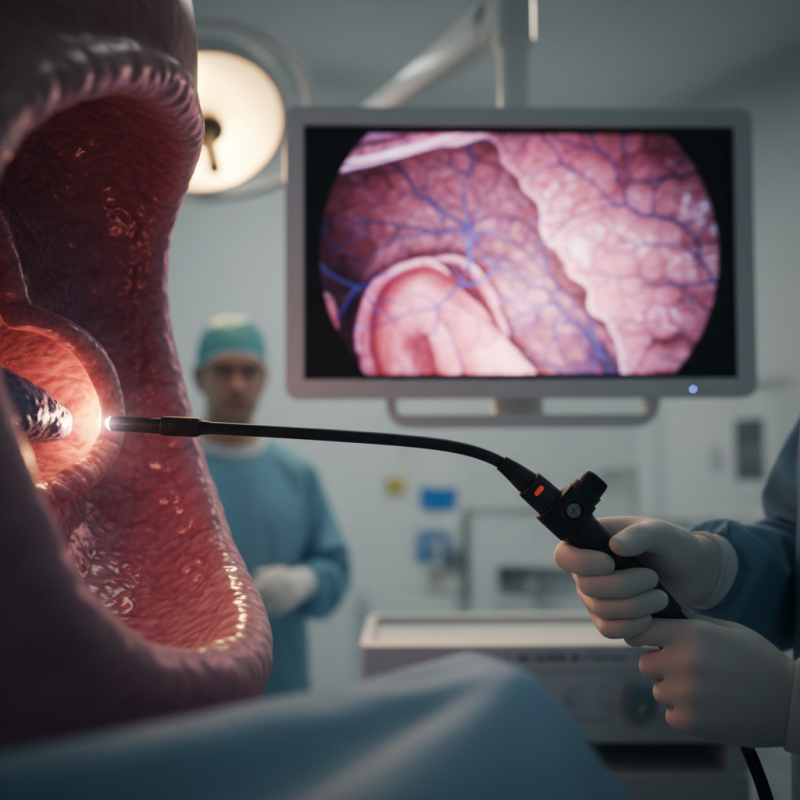
What is a Camera Endoscope and Its Fundamental Purpose?
A camera endoscope is a vital tool in modern medicine. Its primary purpose is to examine the interior of the body. It consists of a flexible tube with a light and a camera. This technology allows healthcare professionals to view areas that are hard to reach. For example, it can be used in gastrointestinal examinations. The images captured help in diagnosing various conditions.
Tips: Ensure the endoscope is properly sterilized before use. This prevents infections and maintains patient safety.
Endoscopes can also be used in surgeries. They minimize the need for large incisions. This results in quicker recovery times for patients. The precision of camera endoscopes allows for better treatment outcomes. However, there are limitations. Not every medical issue can be visualized through this method. Some conditions may require additional imaging techniques.
Tips: Always discuss the risks and benefits with your doctor. Understanding the procedure can ease anxiety and ensure better cooperation during examinations.
Key Components and Design Features of Camera Endoscopes
Camera endoscopes are fascinating medical tools with various key components and design features. At their core, these devices include a camera, light source, and flexible tubing. The camera captures images of internal body parts. This allows healthcare providers to diagnose conditions without invasive surgery. The light source illuminates dark areas, enhancing visibility for accurate assessments.
The flexible tubing is essential for maneuverability. It allows the endoscope to navigate through complex body structures. Some models include additional features like image stabilization and digital zoom. These enhancements improve image clarity, making it easier to detect abnormalities. However, the design isn't flawless. For example, resolution may decrease in tight spaces. Additionally, the thin tubing can sometimes lead to discomfort for patients. Ensuring comfort while obtaining clear images remains a challenge.
Technology advancements continuously improve these devices. However, endoscopes still require skilled operators. User experience plays a critical role in achieving effective results. As the medical field evolves, innovations in camera endoscopes will likely enhance their capability. Still, the need for ongoing training and user familiarity cannot be overlooked. This balance between technology and human skill is vital for successful outcomes.
What is a Camera Endoscope and How Does it Work? - Key Components and Design Features of Camera Endoscopes
| Component | Function | Materials Used | Design Features |
| Camera | Captures images and video of internal structures | Glass, Plastic | High-resolution imaging, Compact size |
| Light Source | Illuminates the area being examined | LEDs, Fiber optics | Adjustable brightness, Energy-efficient |
| Scope | Accesses internal body cavities | Medical-grade materials | Flexible, Various diameters |
| Control Unit | Processes and displays images | Metal, Plastic | User-friendly interface, Portability |
| Recording Device | Stores images/videos for review | HDD, SSD | High storage capacity, Easy data transfer |
How Camera Endoscopes Capture and Transmit Images
Camera endoscopes have transformed diagnostic medicine by providing real-time imagery from within the body. These devices use a small camera attached to a flexible tube. Light is emitted from the camera, illuminating internal structures. As the camera captures images, these visuals are sent to a monitor for analysis.
In recent studies, the global market for endoscopy has seen a significant increase. It is projected to reach approximately $45 billion by 2026, driven by the demand for minimally invasive procedures. Image quality is crucial for effective diagnosis. Camera endoscopes often use high-definition capabilities, enhancing clarity and detail. Reports indicate that improved image transmission reduces procedural time and enhances accuracy in initial diagnoses.
However, challenges remain. Factors such as camera size and maneuverability can hinder effective examinations. Additionally, issues like image lag during transmission can affect the real-time analysis. Continuous advancements are necessary to address these limitations. The potential for artificial intelligence integration also brings promise for improved image interpretation and enhanced diagnostic capabilities. The journey of camera endoscopes is ongoing, with many aspects still to refine.
Camera Endoscope Image Capture Efficiency
Applications of Camera Endoscopes in Medical and Industrial Fields
Camera endoscopes have gained popularity in both medical and industrial fields. In healthcare, these devices allow doctors to visualize internal organs with minimal invasiveness. A probe equipped with a small camera is inserted through natural openings or small incisions. This method helps in diagnosing conditions like gastrointestinal issues or respiratory disorders. The clear images captured enable accurate assessments and better treatment planning.
In the industrial sector, camera endoscopes play a vital role in maintenance and inspection. They are used to examine hard-to-reach areas, such as inside machinery or pipelines. This helps prevent costly breakdowns and ensures operational efficiency. Technicians can spot corrosion, blockages, or wear without taking equipment apart. The visual feedback from the camera often reveals problems that aren’t apparent otherwise.
Despite their effectiveness, challenges remain. Not all areas provide good visibility, especially in low-light conditions. Additionally, the need for skilled operators is critical. Misinterpretation of images could lead to errors in both observation and diagnosis. Continuous training is essential to enhance the efficacy of these technologies. Overall, camera endoscopes bridge gaps in various fields, offering solutions while raising questions about reliability and interpretation.
Advantages and Limitations of Using Camera Endoscopes in Diagnostics
Camera endoscopes provide unique insights for medical diagnostics. These instruments utilize a small camera attached to a flexible tube. They can navigate through the body’s intricate pathways. This allows doctors to visually inspect internal organs. The images captured are often clear and detailed. Such visuals enhance the accuracy of diagnoses.
However, while beneficial, camera endoscopes have limitations. In some cases, the procedure can cause discomfort or anxiety for patients. The depth of visualization may vary based on the body part being examined. Additionally, interpreting the images requires significant expertise. Misinterpretation can lead to incorrect conclusions. This raises questions about the reliability of the findings.
The advantages include minimal invasiveness and quick recovery times. Patients usually return to normal activities soon after. Yet, the procedure's effectiveness hinges on the operator’s skill. Not all conditions are visible through an endoscope, limiting its diagnostic capability. This highlights the need for continued innovation in endoscopic technology.
