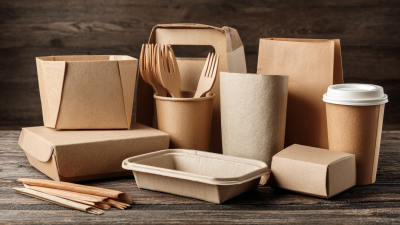
In 2026, choosing sustainable packaging materials means looking beyond a green label or a familiar recycled-paper texture. The right option depends on what the product needs, how far it travels, and what local collection systems can actually process. A lightweight paper mailer may reduce shipping weight, yet it may not protect a moisture-sensitive product. A sturdy glass jar can be reused, but its weight adds transport impacts. Small details matter. Closures, coatings, inks, and protective fillers can change how a package is sorted or recycled.
This guide compares paper and cardboard, recycled plastics, glass, metals, compostable materials, and reusable packaging. It considers practical factors such as product protection, material use, durability, and end-of-life options—not just appearance. Recycled content and independently verified certifications can offer useful evidence, but neither guarantees a lower impact in every situation. Not always. Collection and composting access vary by location, and packaging claims can be difficult to compare when companies use different boundaries or assumptions. That uncertainty deserves attention, not a confident-sounding slogan. The most suitable choice often emerges from testing the package with the actual product and checking what happens after use. By weighing performance against local recovery options, businesses and shoppers can make more informed decisions about sustainable packaging materials in 2026.
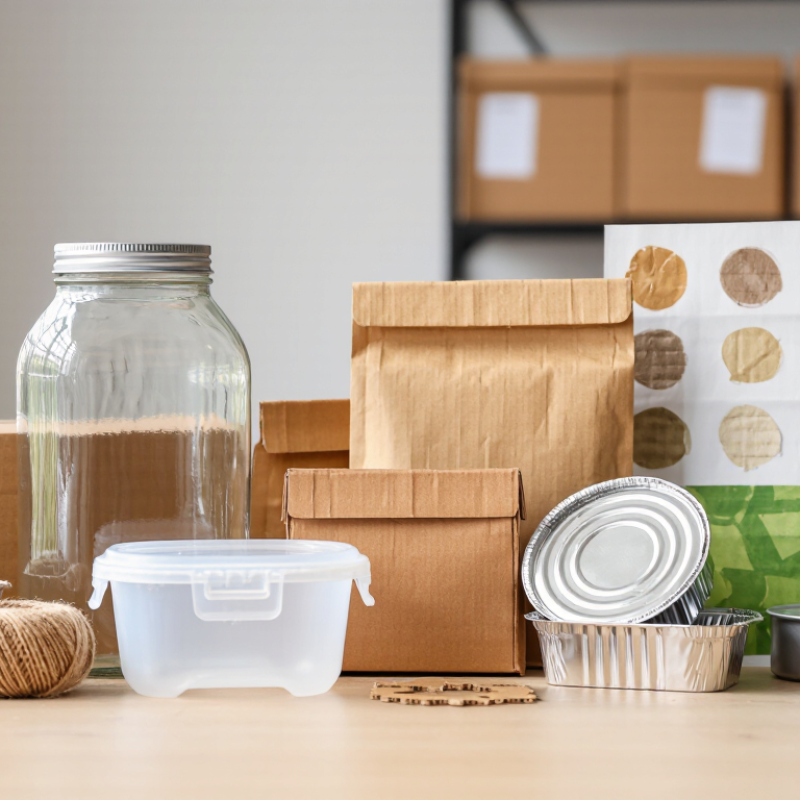
Sustainable packaging in 2026 is not defined by a “green” label or a single material. It depends on the full life cycle: where feedstock comes from, how much energy production uses, whether the package protects its contents, and what happens after disposal. A light, recyclable pack may still fail if local facilities cannot sort it. That gap matters. The OECD reported that only 9% of plastic waste was recycled globally in 2019, underscoring the difference between theoretical recyclability and actual recovery.
Good material choices fit real collection systems. Recycled paper, responsibly sourced fiber, and recycled-content plastics can reduce demand for virgin resources, but each has trade-offs in barrier performance, transport weight, and reuse potential. The UN Environment Programme’s 2023 report, Turning off the Tap, estimated that systemic changes could cut plastic pollution by 80% by 2040. That estimate covers broad interventions, not one packaging material. Still, it points to a useful test: compare materials by life-cycle impacts and local recovery rates, not appearance alone. I would not call a package sustainable without checking both.
Tips: Ask suppliers for life-cycle data and verified recycled-content figures. Check whether nearby facilities accept the exact package format. Test protection with a real shipment; damaged goods can erase material savings. The answer may be less tidy than expected.
The sustainable packaging landscape in 2026 is led by recycled paper and cardboard, reusable formats, and carefully selected molded fiber. Recycled paper works well for many dry goods and ships efficiently when kept light. A folded carton is easy to sort, but grease or food residue can complicate recycling. Small details matter.
Reusable packaging can reduce single-use waste when containers return often and transport distances stay reasonable. Glass and durable plastics may suit refill systems, though their weight, cleaning, and breakage affect performance. There is no universal winner. A reusable jar that travels far for washing may have a larger footprint than expected.
Molded pulp and other fiber-based materials offer useful cushioning for electronics, produce, and takeaway items. Bio-based or compostable materials can help in specific settings, but only where suitable collection and processing exist. “Compostable” on a label does not guarantee that a local facility accepts the item.
The ranking is not tidy. I would compare a package’s protection, material amount, reuse potential, and local end-of-life options before choosing; even that checklist misses some real-world messiness.
Packaging performance depends on the product, journey, and storage conditions. Paperboard is light and easy to print, but moisture can soften its fibers and weaken stacked cartons. Barriers help protect food, though added coatings may make fiber recovery harder. Small details matter.
The OECD’s Global Plastics Outlook (2022) estimates that packaging generated about 40% of global plastic waste in 2019. That scale makes material choice important, but no material wins every test. Glass blocks gases and moisture, yet its weight can raise transport impacts. Aluminum offers a strong barrier in a thin layer, while the impact of a package depends partly on recycled content and production energy. Compostable plastics are not automatically a better fit; they need suitable collection and processing conditions.
UNEP’s Turning off the Tap (2023) reports that packaging accounts for about 36% of plastics produced worldwide. In practice, compare materials using drop, compression, seal, and moisture-transmission tests, then check whether the package protects the product through its actual shelf life. A lighter pack can fail if it causes more breakage or spoilage. That trade-off is easy to miss. I would not treat a “green” material label as proof of better performance.
What Are the Best Sustainable Packaging Materials in 2026?
Where Does Each Sustainable Material Work Best?
The best material depends on what a product needs during storage, shipping, and disposal. Recycled cardboard works well for boxes, subscription shipments, and dry goods. It is lightweight and widely accepted in many recycling systems, but it can soften when wet. Molded fiber can cushion small appliances or fragile items without plastic foam. Check that it provides enough protection for the product’s actual weight and journey.
Glass suits foods and liquids that need a strong barrier, especially when containers can be reused nearby. Its weight can increase shipping impacts, so local reuse matters. Aluminum is useful for cans and compact containers, and recycling can save substantial energy compared with producing primary aluminum. Compostable packaging may fit food-soiled items, but only where suitable collection and processing exist. The label alone is not enough. Some bio-based films offer moisture protection, yet their disposal options vary by formulation.
Tips: Match the package to the product’s real risks: moisture, breakage, or long-distance shipping. Ask local waste providers what they accept. Run a small shipping test before switching materials; a damaged product can erase packaging gains. The trade-offs are messy, and no material wins everywhere.
Choose packaging by the job it must perform, not by its material label. Start with product weight, moisture sensitivity, breakage risk, and shipping distance. A paper pouch may suit dry goods, but a damp product can require extra layers. That trade-off matters. The OECD’s Global Plastics Outlook (2022) estimates that only 9% of plastic waste worldwide was recycled in 2019. This is not a packaging-only figure, but it highlights why recyclability claims need local context. Check whether nearby collection systems accept the package, including its coating, adhesive, and closure.
Then compare protection, material use, and end-of-life options together. A lighter package that causes more product damage may not be the better choice. Test a filled package through packing, delivery, and storage; look for crushed corners, leaks, and unnecessary void fill. For paper or molded fiber, check moisture performance and whether coatings complicate recycling. For plastic, favor a simple material structure when local facilities can process it. Reuse can work well, too. Only if return rates and cleaning systems are practical. Ask suppliers for composition details and request life-cycle data with clear assumptions. There is rarely a perfect option, and teams can overfocus on recyclability while overlooking transport weight. The right choice may need revision after real-world trials.
| Material or system | Suitable applications | Sustainability strengths | End-of-life options | Key limitations | Best fit when… |
|---|---|---|---|---|---|
| Recycled-content corrugated cardboard | Shipping cartons, protective inserts, and dry goods | Can use recovered fiber; lightweight construction can reduce shipping weight; widely collected for recycling in many regions | Recycle through local paper and cardboard collection when clean and dry | Performance can decline with repeated fiber recycling; moisture and grease can reduce recyclability; oversized boxes use unnecessary material | Products need sturdy shipping protection and can be packed efficiently in right-sized cartons |
| Molded fiber or formed paper pulp | Protective cushioning, trays, and some food-service applications | Can be made with recovered paper fibers and shaped to replace some foam cushioning | Often recyclable with paper where accepted; compostability depends on fiber, coatings, additives, and local rules | May need more space in storage than lightweight foam; moisture resistance and strength vary by design | Products need cushioning and the package can be designed without hard-to-separate coatings |
| Uncoated paper and paperboard | Dry foods, cartons, sleeves, bags, and labels | Renewable fiber feedstock; established paper-recycling systems exist in many markets | Recycle if clean and accepted locally; food-contaminated or composite formats may require other disposal routes | Limited resistance to water, oil, and oxygen without barriers; some barrier coatings complicate recycling | Contents are dry or short-lived, and the package can avoid incompatible laminates and coatings |
| Reusable packaging made from durable materials | Closed-loop delivery, take-back programs, and repeated-use containers | Can avoid single-use packaging when items are reused enough times; durable designs may support repair or replacement of parts | Reuse, repair, and eventual material recycling depend on collection and program design | Cleaning, reverse logistics, loss rates, and extra weight affect overall impacts; benefits are not guaranteed without repeated reuse | A reliable return or refill system can achieve frequent reuse over practical transport distances |
| Glass | Beverages, sauces, and products needing a strong barrier or visibility | Can be recycled repeatedly where collection and processing are available; reusable bottle systems are possible | Recycle through local glass collection, or reuse within a suitable return system | Heavy and breakable, which can increase transport impacts and protective-packaging needs | Product protection, refillability, or local glass recovery justifies the added weight |
| Aluminum | Beverage cans, tins, and lightweight barrier applications | Lightweight and highly protective; recycling can reduce the need for primary metal production | Recycle where accepted and collected; separate components when required by local systems | Primary aluminum production is energy-intensive; small or attached components may be missed by sorting systems | Strong light, oxygen, or moisture protection is needed and local collection rates support recovery |
| Mono-material polyethylene or polypropylene | Flexible pouches, films, caps, tubs, and moisture-sensitive products | Lightweight and can use less material than some rigid alternatives; simpler material structures can improve sorting potential | Recyclable only where collection, sorting, and processing facilities accept the specific format and resin | Flexible films are not accepted in many curbside programs; labels, pigments, multilayer barriers, and food residue can hinder recovery | Plastic protection is functionally necessary and the design matches a verified local recycling pathway |
| Certified compostable bioplastic, such as PLA | Selected food-service items or food-waste liners in compatible collection systems | Can be made partly or wholly from renewable feedstocks; may be useful when packaging is collected with food scraps in an accepted system | Requires the appropriate industrial composting facility and certification; generally should not be assumed suitable for home composting | Often not accepted in conventional plastic recycling; may contaminate recycling streams if mis-sorted; composting access varies by region | Local composting facilities explicitly accept the certified item and the collection program keeps it out of recycling streams |
Selection note: Compare materials for the same product, protection level, package size, and delivery route. Check local collection rules, use the minimum material that safely protects the product, and consider reuse only when return logistics and repeated use are practical. Environmental performance varies with design, sourcing, manufacturing, transport, and end-of-life infrastructure.